
Plumeria
Frangipani, Kamboja
A tough, drought-tolerant tropical tree with thick, fleshy branches, renowned for its intensely fragrant, pinwheel-shaped flowers.
Quick Stats
Overview
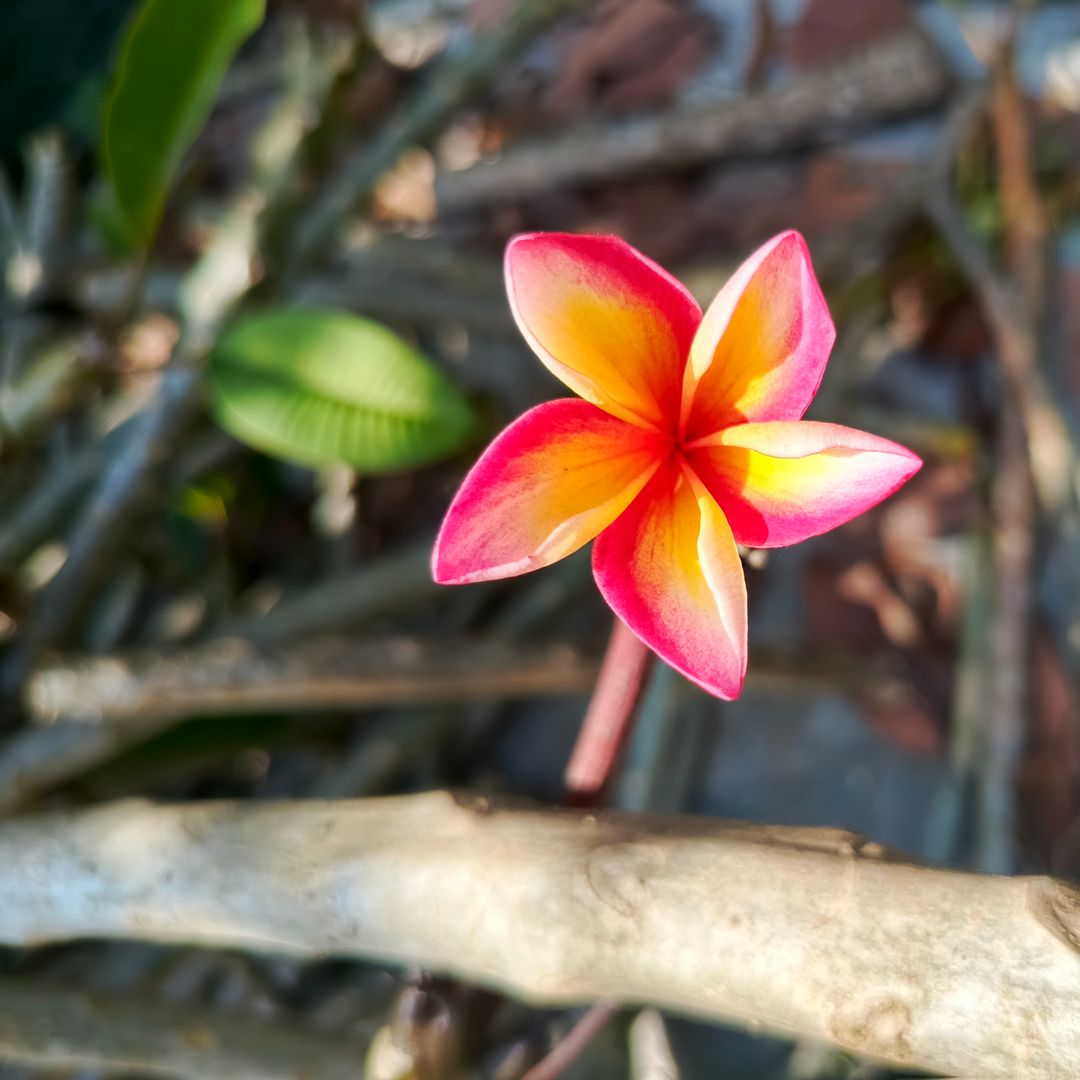
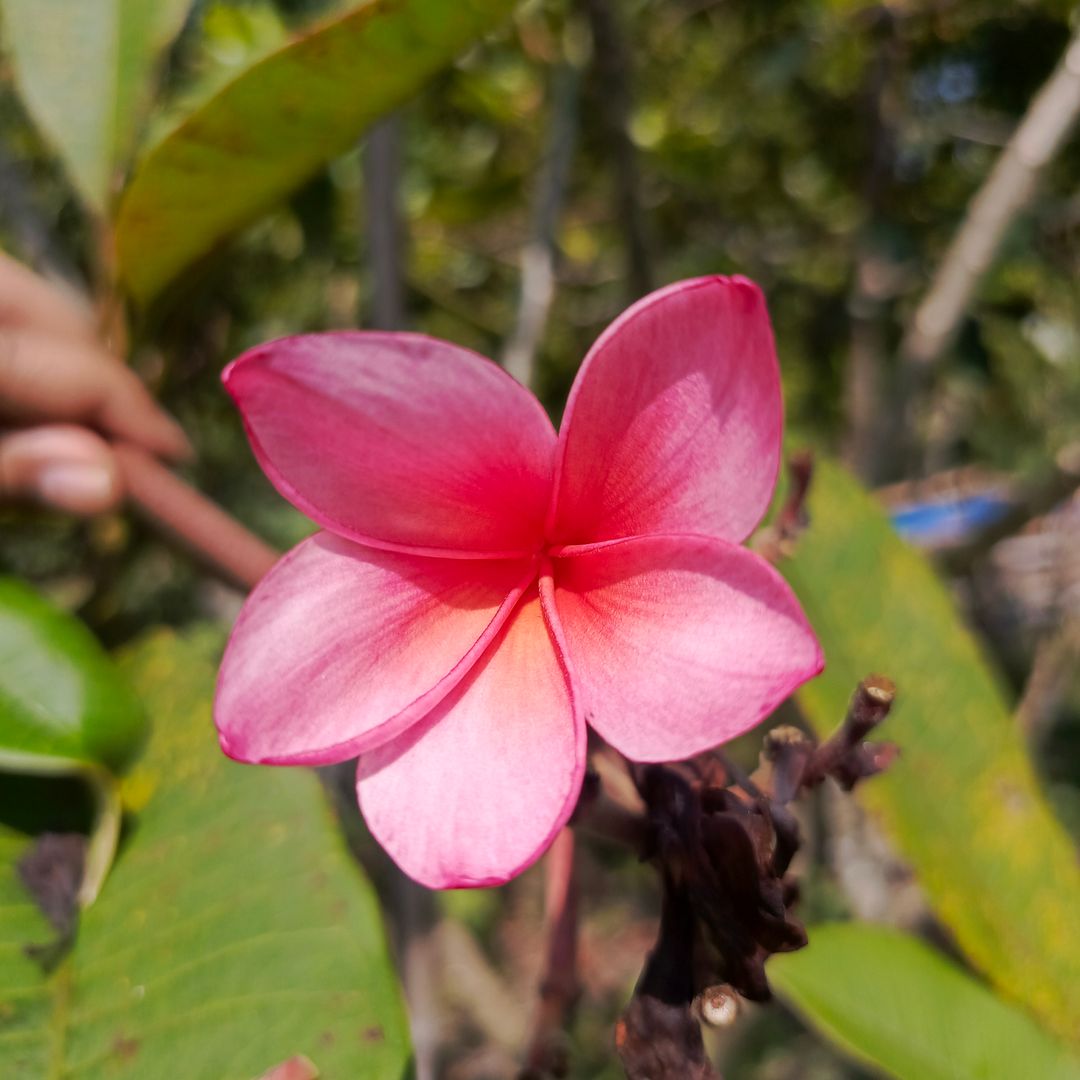
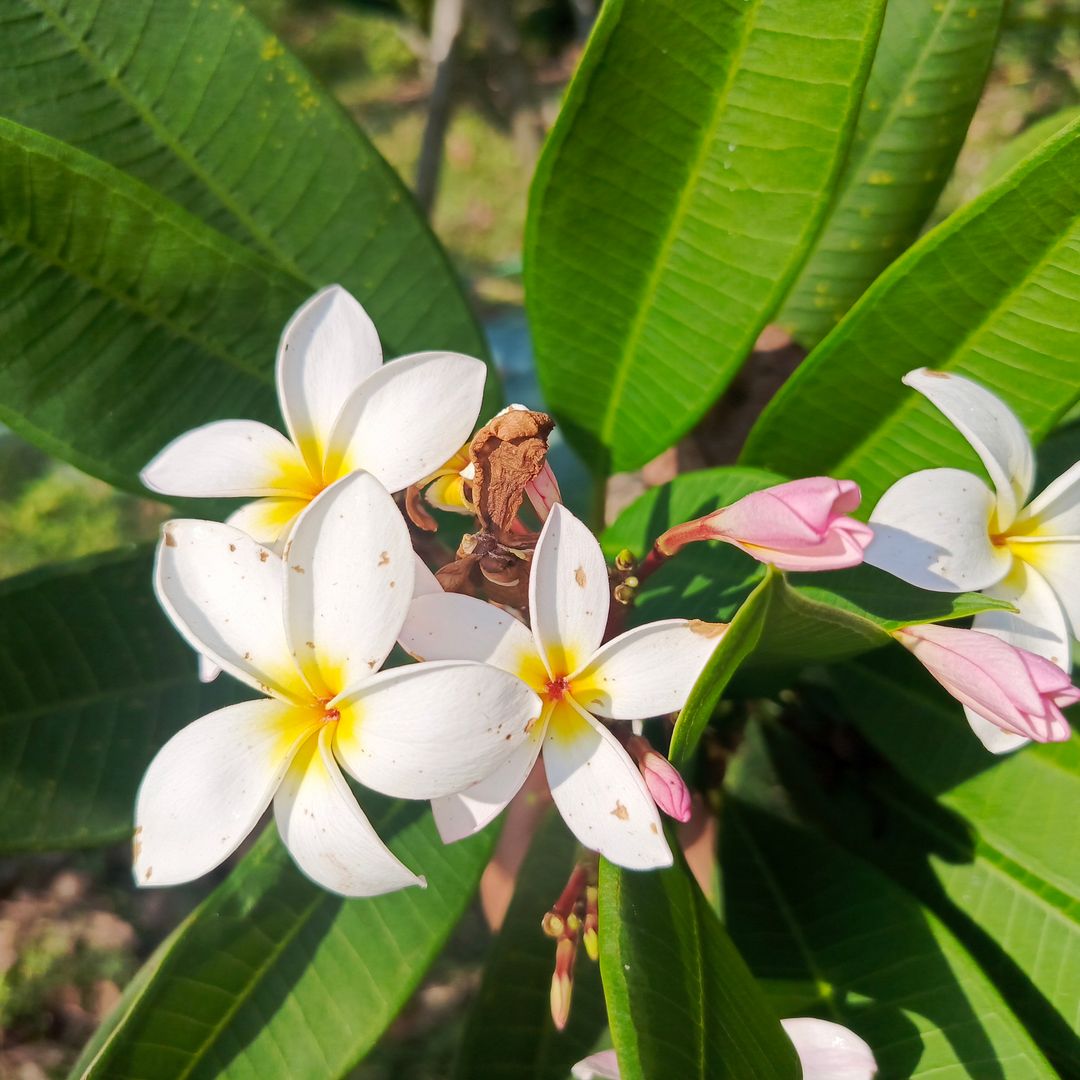
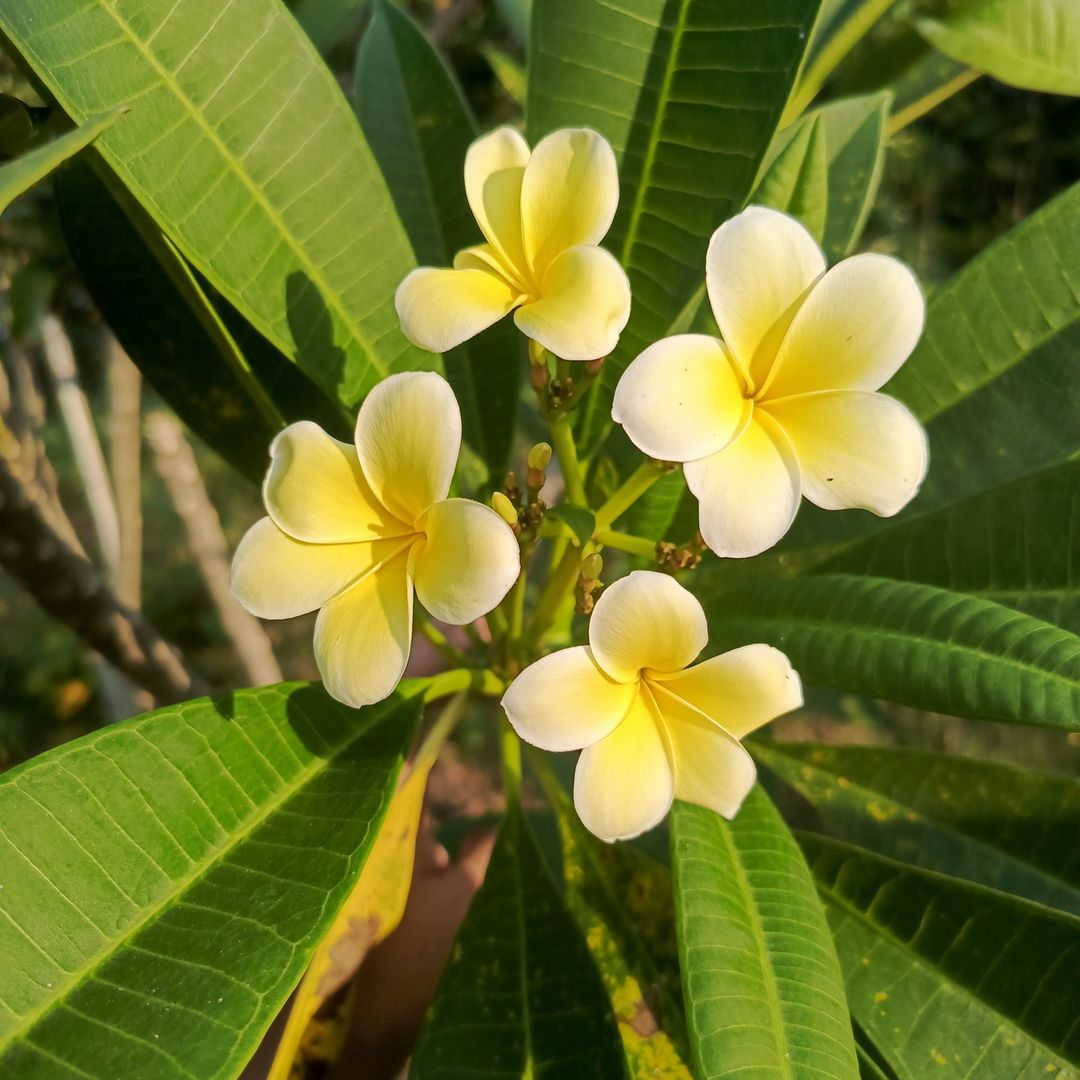
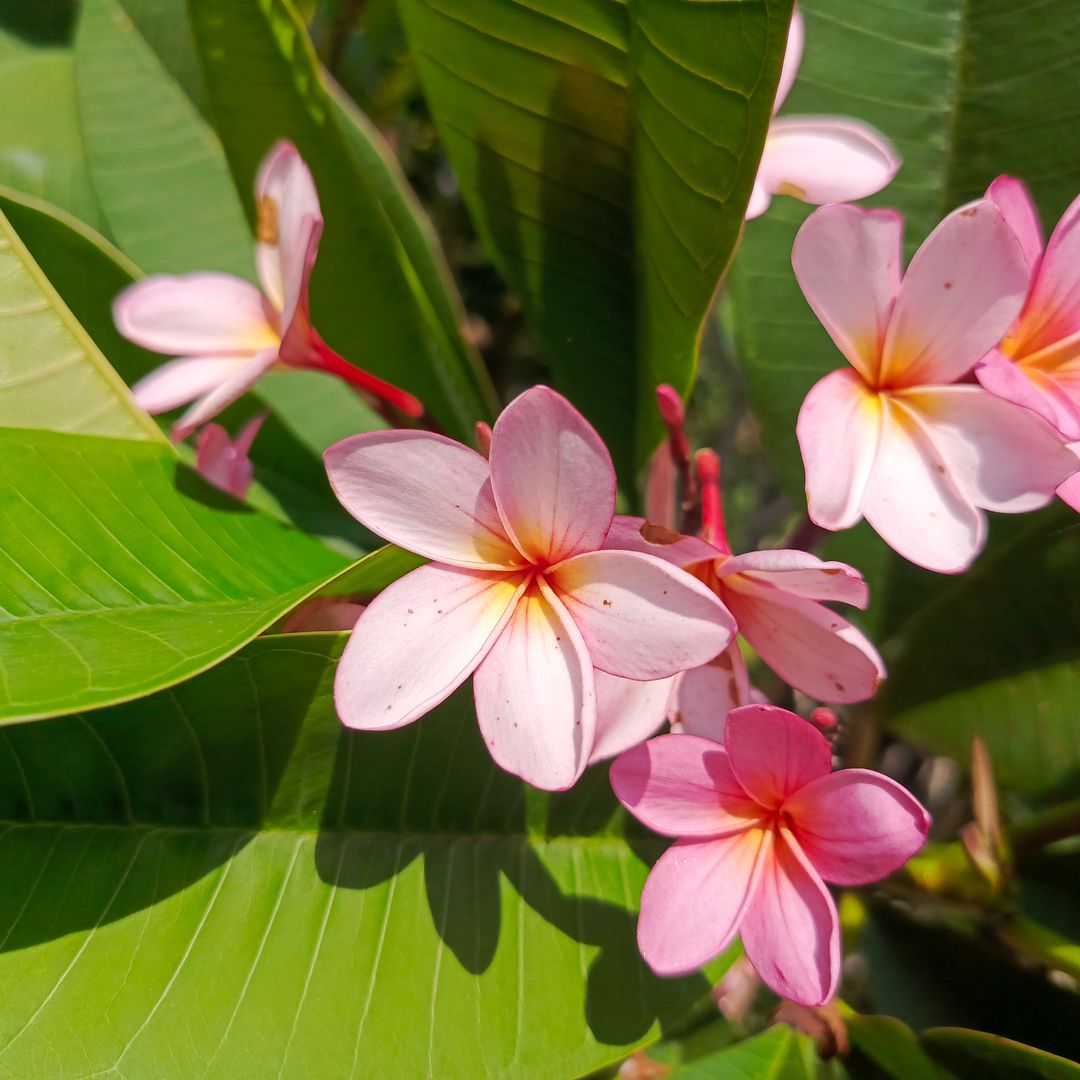
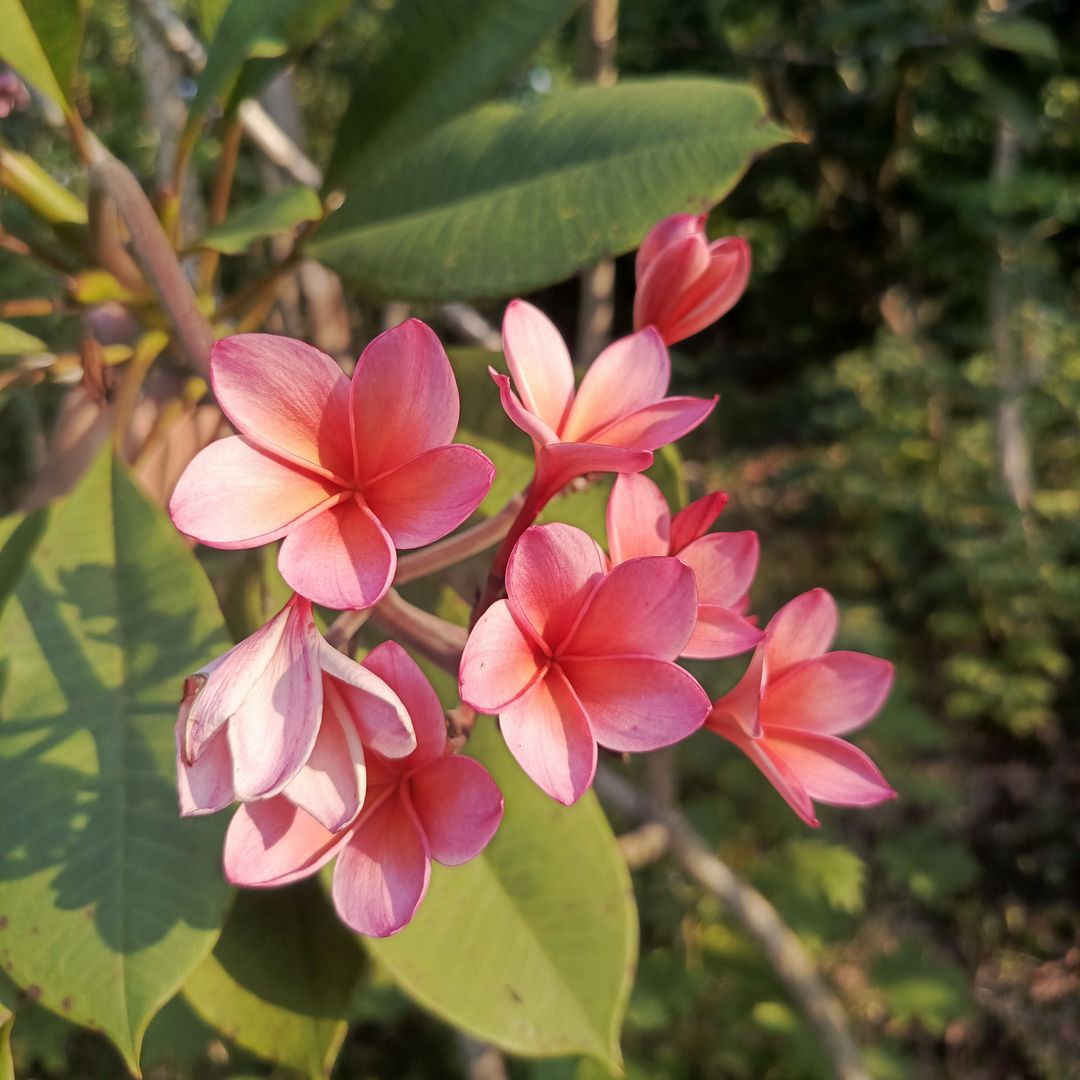
For a long time in Java, the Kamboja tree carried a bit of a spooky reputation because it was traditionally planted in cemeteries. But these days, it is rightfully celebrated as one of the ultimate tropical ornamentals. It has a very sculptural, almost architectural look, with thick, knobby, succulent-like branches that store water. The leaves tend to drop when the deep dry season hits, but the tree will keep pushing out those stunning, intensely fragrant clusters of white, yellow, pink, or deep red flowers. The scent is rich, creamy, and undeniably tropical—it smells exactly like a Bali island breeze.
Homestead Integration
For our Bunga Aromatik nursery, Kamboja is a fantastic, high-margin plant. People associate it with high-end resorts and relaxation, so potted cuttings sell beautifully.
On the homestead landscape at Batuah, I use them strategically in the driest, most punishingly hot zones of the property. Because they store their own water, they require absolutely no irrigation from me during the dry season.
They make brilliant standalone specimen trees, and the fallen flowers are lovely to gather up in the morning to float in water bowls around the outdoor sitting areas.
Care & Cultivation
This plant thrives on neglect and a lot of heat. Its absolute worst enemy is our intense Javanese rainy season combined with poor drainage. The trunk and branches are highly susceptible to stem rot if the roots are sitting in a puddle. I make sure to plant them in soil heavily amended with coarse sand or gravel to ensure the water drains away immediately.
They don’t need much in the way of fertilizer, but to encourage massive flower clusters rather than just leafy growth, a phosphorus-heavy natural input—like one of our homemade fertilizer—works wonders right before the dry season kicks in.
Propagation
Propagating Kamboja from hardwood cuttings is incredibly easy, but it requires patience to avoid rotting. I take a cutting about 30 to 40 centimeters long from a healthy branch. When you cut it, the branch will bleed a sticky, milky white sap (be careful, it can irritate your skin). Do not plant it right away. I lay the cutting down in a dry, shaded spot on the homestead for at least a week, sometimes two. The cut end needs to completely dry out and heal over, forming a hard, corky callus. Once that callus is formed, I stick it into a pot of dry, sandy soil, and it will push out new roots in a couple of months.
💡 Did You Know?
The incredibly sweet, intoxicating fragrance of the Plumeria flower is actually a trick. The flowers produce that scent specifically at night to lure in Sphinx moths for pollination. The moth catches the scent, flies into the flower expecting a rich meal of nectar, and gets covered in pollen. The trick? Plumeria flowers don’t actually produce any nectar. They deceive the moths into doing the pollination work completely for free.
🛠️ Pro-Tip
If you are dealing with a Kamboja that has grown too tall and lanky, looking more like a giant stick than a tree, you can force it to branch. Simply take a sterilized knife and completely cut off the very top growing tip of the branch. The plant responds to this “damage” by activating dormant buds lower down on the stem, usually pushing out two or three new branches right below where you made the cut. It is a great way to force a fuller, more umbrella-like canopy.
Video
Gallery