Persea americana
Avocado, Alpukat, Alligator Pear
A dense, broadleaf evergreen tree that produces rich, buttery, nutrient-dense fruits with a large central seed.
Quick Stats
Overview
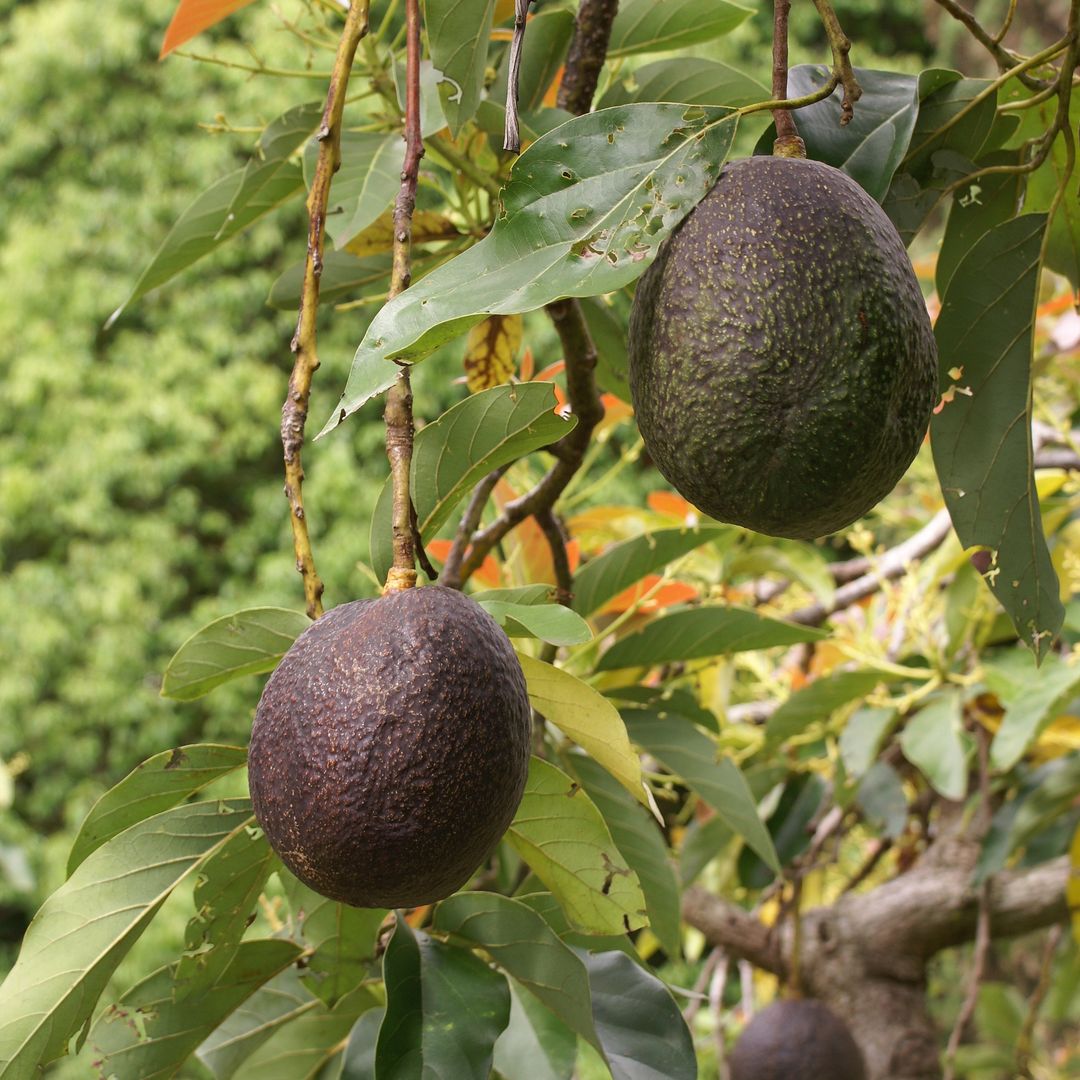
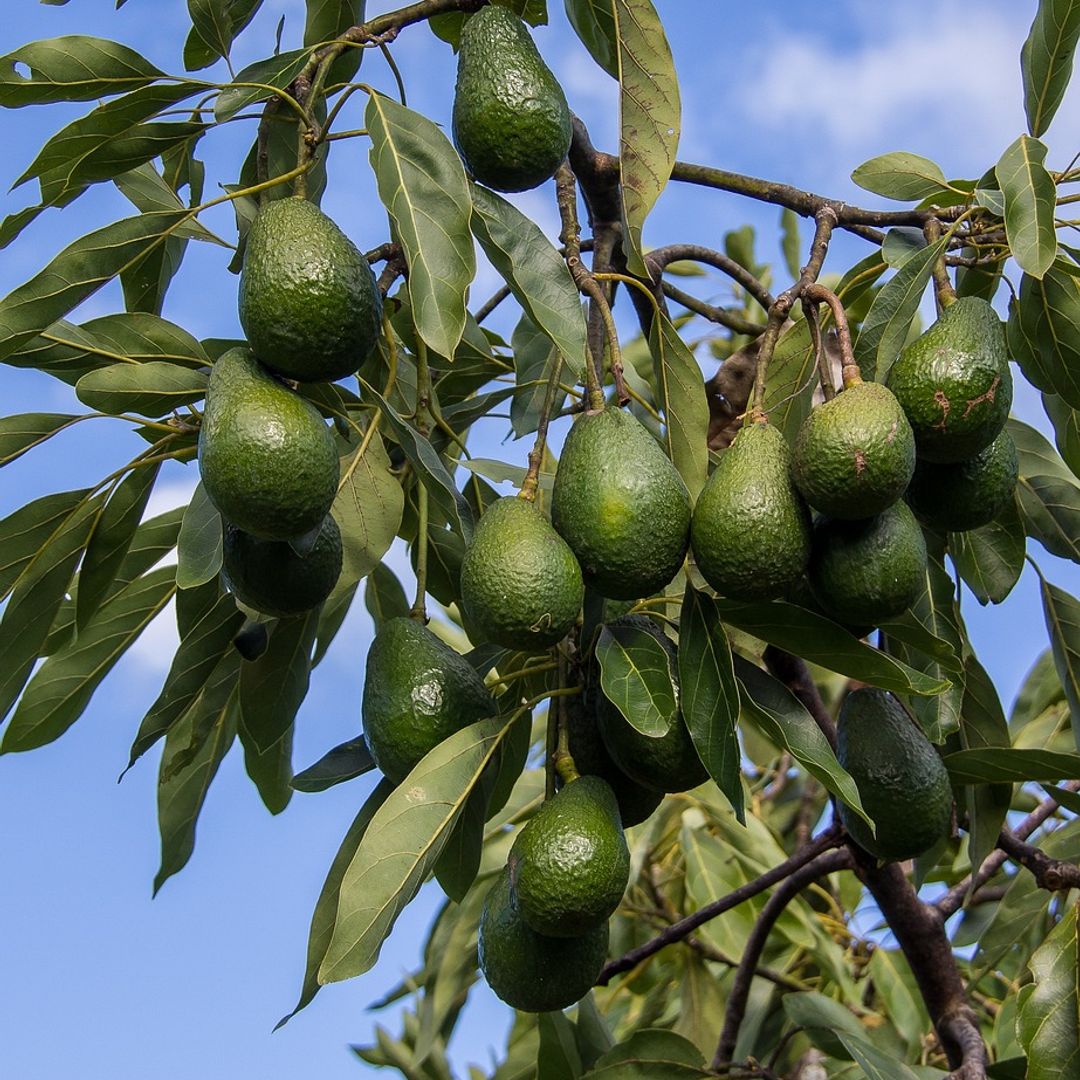
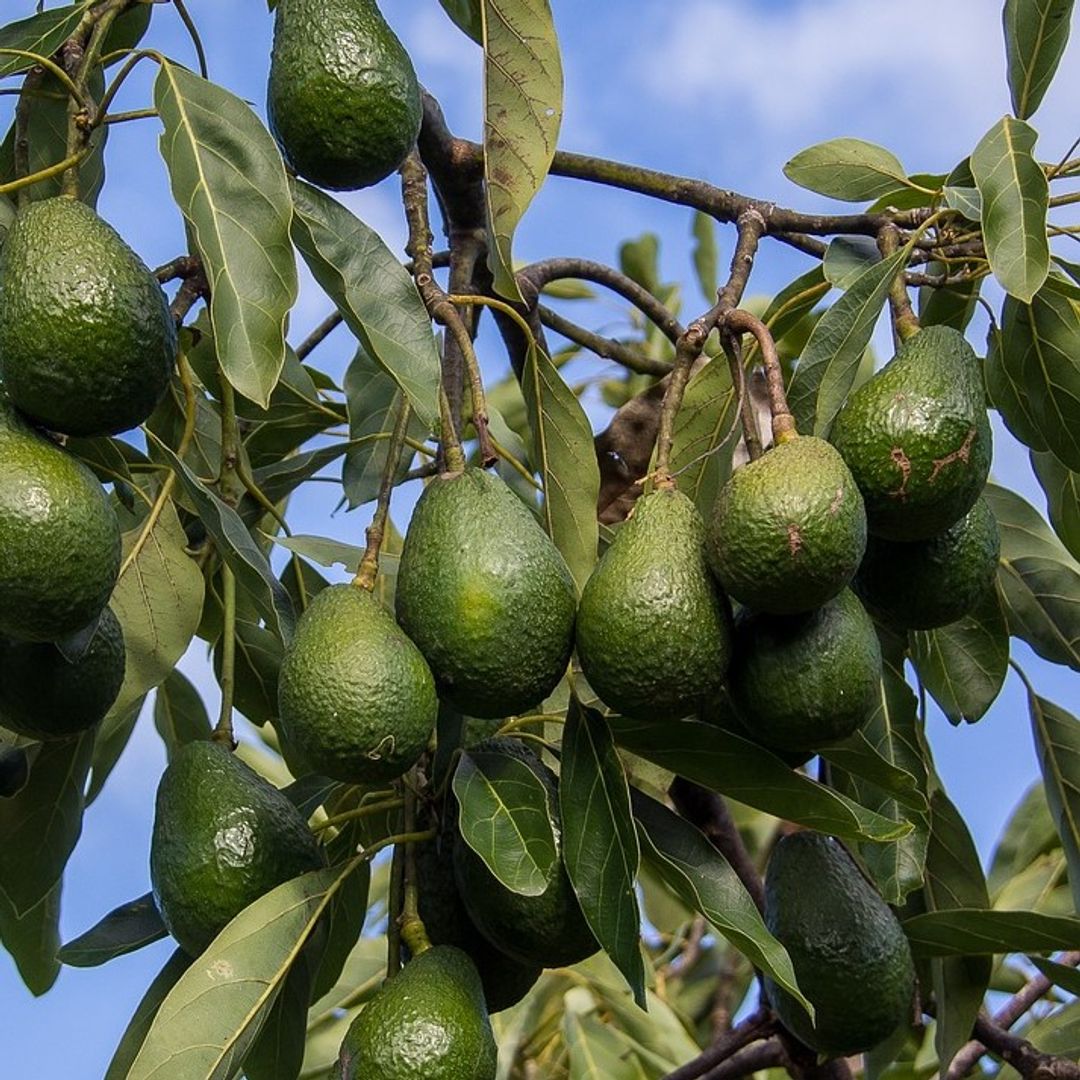
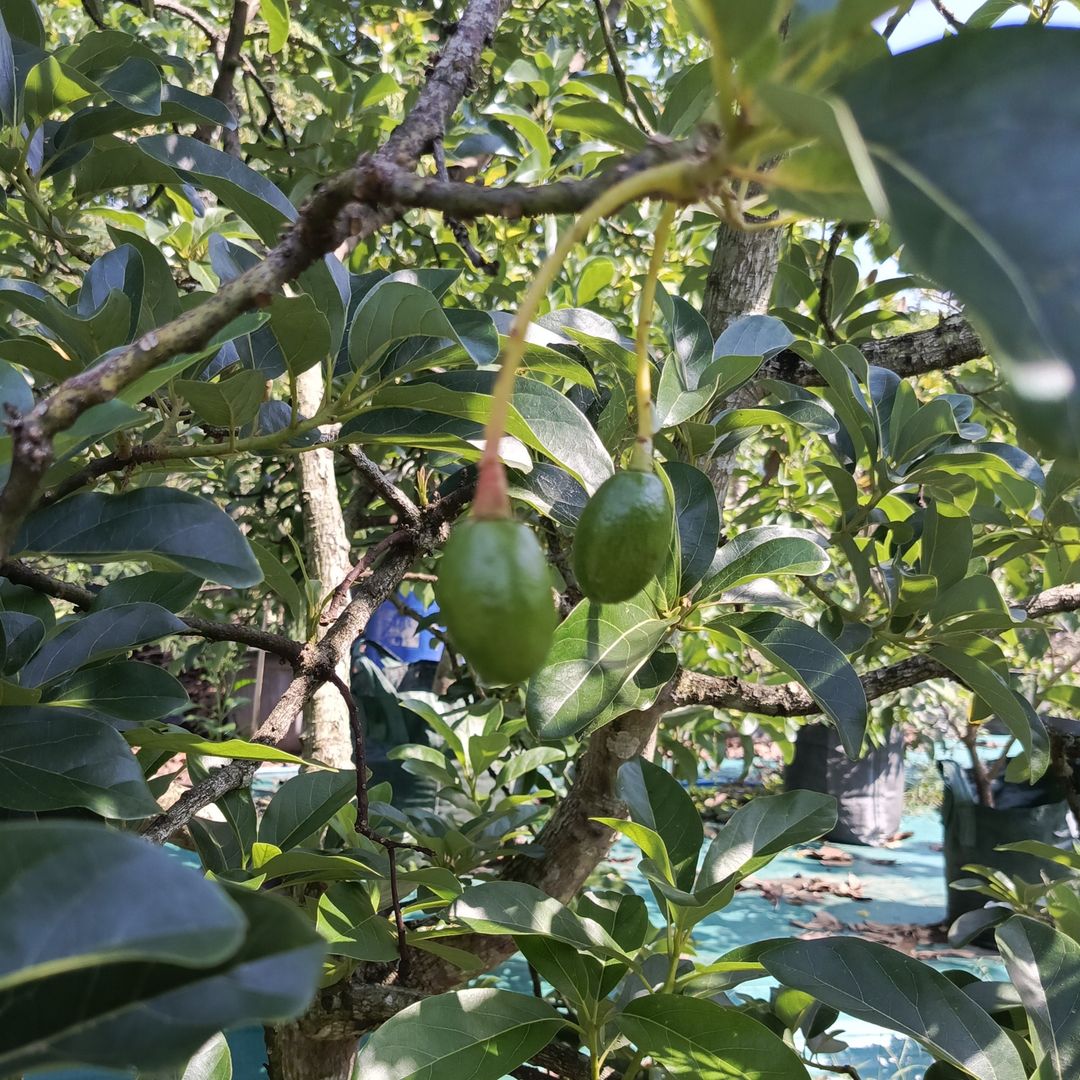
The Alpukat tree is a heavyweight in the tropical fruit world. It grows into a magnificent, dense evergreen tree with dark, glossy leaves, providing excellent year-round shade. The real prize, of course, is the fruit—rich in healthy fats, incredibly filling, and versatile in both sweet and savory dishes. Unlike the fast-growing papayas, an avocado tree plays the long game. It takes a few years to really get going, but once it matures, a single healthy tree can produce hundreds of fruits in a season, feeding your family and providing a solid income stream for decades.
Homestead Integration
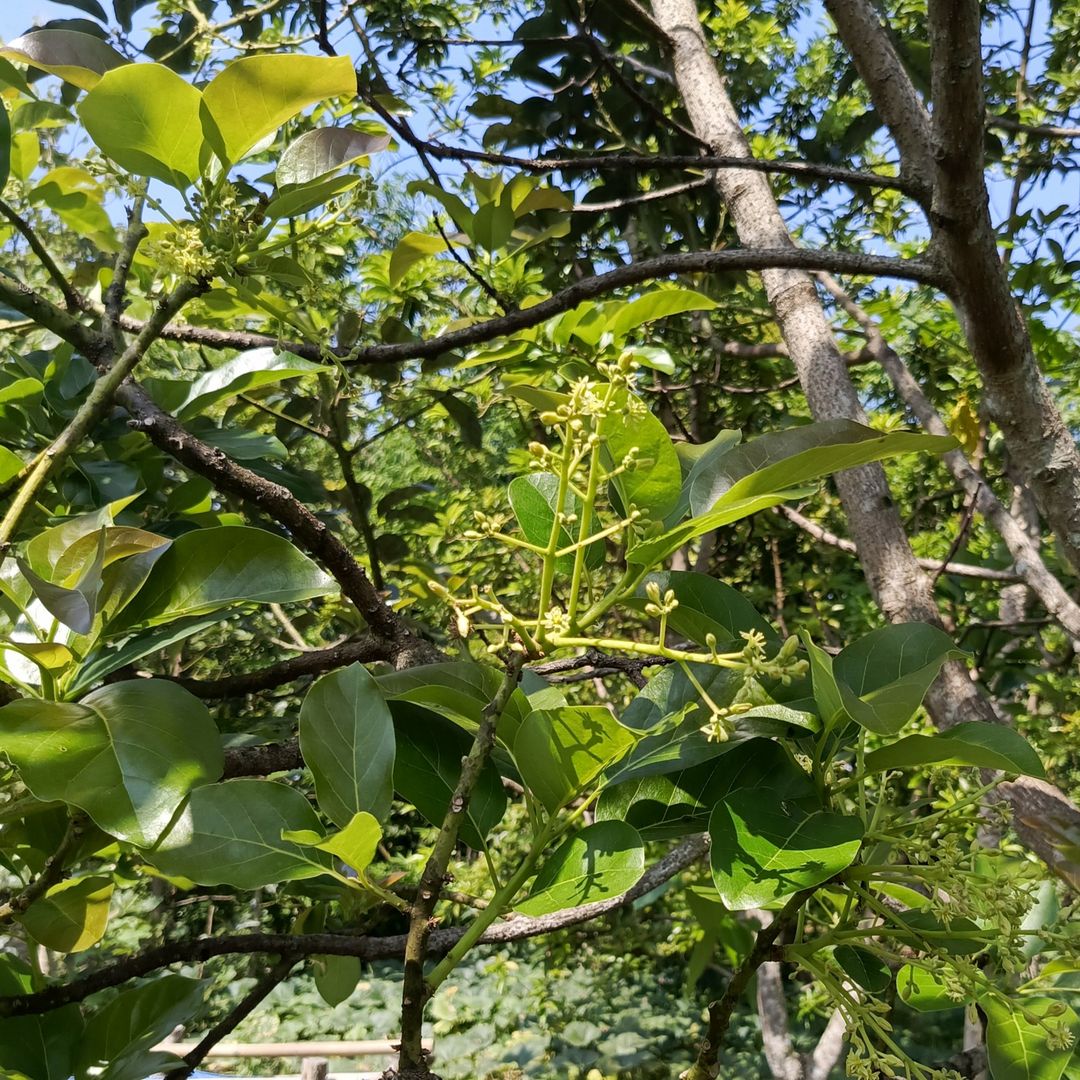
At Batuah Homestead, Alpukat trees are central to our food forest design. Because they grow quite large and cast a dense shadow, I use them as upper-canopy trees to create sheltered microclimates. The shade beneath an established avocado is the perfect place to grow understory crops like ginger, turmeric, or even our Srigading shrubs.
Economically, they are a high-value cash crop. We eat a lot of them—there is nothing quite like fresh jus alpukat (avocado juice) on a hot afternoon—but the surplus sells for a premium at the local markets.
Furthermore, the tree naturally drops a thick layer of stiff, slow-decomposing leaves, which creates a phenomenal, free weed-suppressing mulch for the soil below.
Care & Cultivation
Avocados have one fatal flaw: they are incredibly susceptible to root rot (Phytophthora). Just like papaya, if an Alpukat tree’s roots sit in waterlogged soil for even a few days, the tree will quickly wilt and die. Here in Mondokan, where the rainy season downpours can be intense, I always plant my avocados on raised mounds to guarantee drainage.
They feed heavily through a network of very shallow feeder roots right near the soil surface. Because of this, I never till or dig under an avocado tree. Instead, I top-dress the area with mature compost and Indigenous Microorganisms (IMO) to build the soil structure from the top down.
Propagation
While you can easily grow an avocado from the pit left over from your lunch, I don’t recommend doing it if you want reliable fruit. A seed-grown tree is a genetic gamble—it might take up to ten years to fruit, and the avocados might be watery and stringy. To guarantee high-quality fruit and a much faster harvest, we rely on grafting. I grow hardy, disease-resistant local seeds just to use as rootstock. Once they are pencil-thick, I take a scion (a small branch piece) from one of our best, most butter-rich mother trees and graft it onto the seedling. This essentially clones the good tree onto the strong roots of the wild one.
💡 Did You Know?
Avocados have an incredible, built-in storage mechanism: they never ripen while they are still attached to the tree. Even when the fruit is fully mature, it will remain hard and green as long as it hangs on the branch. The ripening process is only triggered once the stem is picked or falls off. For a homesteader, this is brilliant because you don’t need a refrigerator—the tree itself acts as a living pantry. You just harvest them exactly as you need them.
🛠️ Pro-Tip
Because avocado trees have such shallow, sensitive feeder roots, they absolutely love being heavily mulched, but there is a right way and a wrong way to do it. You want to pile a thick layer of organic matter (leaves, wood chips, or compost) in a wide ring all around the drip line of the canopy to keep the soil moist and cool. However, you must keep the mulch pulled back a few inches away from the actual trunk of the tree. If wet mulch sits directly against the bark, it invites collar rot and fungal diseases that can ring the trunk and kill the tree outright.
Video
Gallery