Bougainvillea
Paper Flower, Kembang Kertas
A vigorous, drought-tolerant, thorny climbing shrub renowned for its spectacularly vibrant, papery bracts.
Quick Stats
Overview
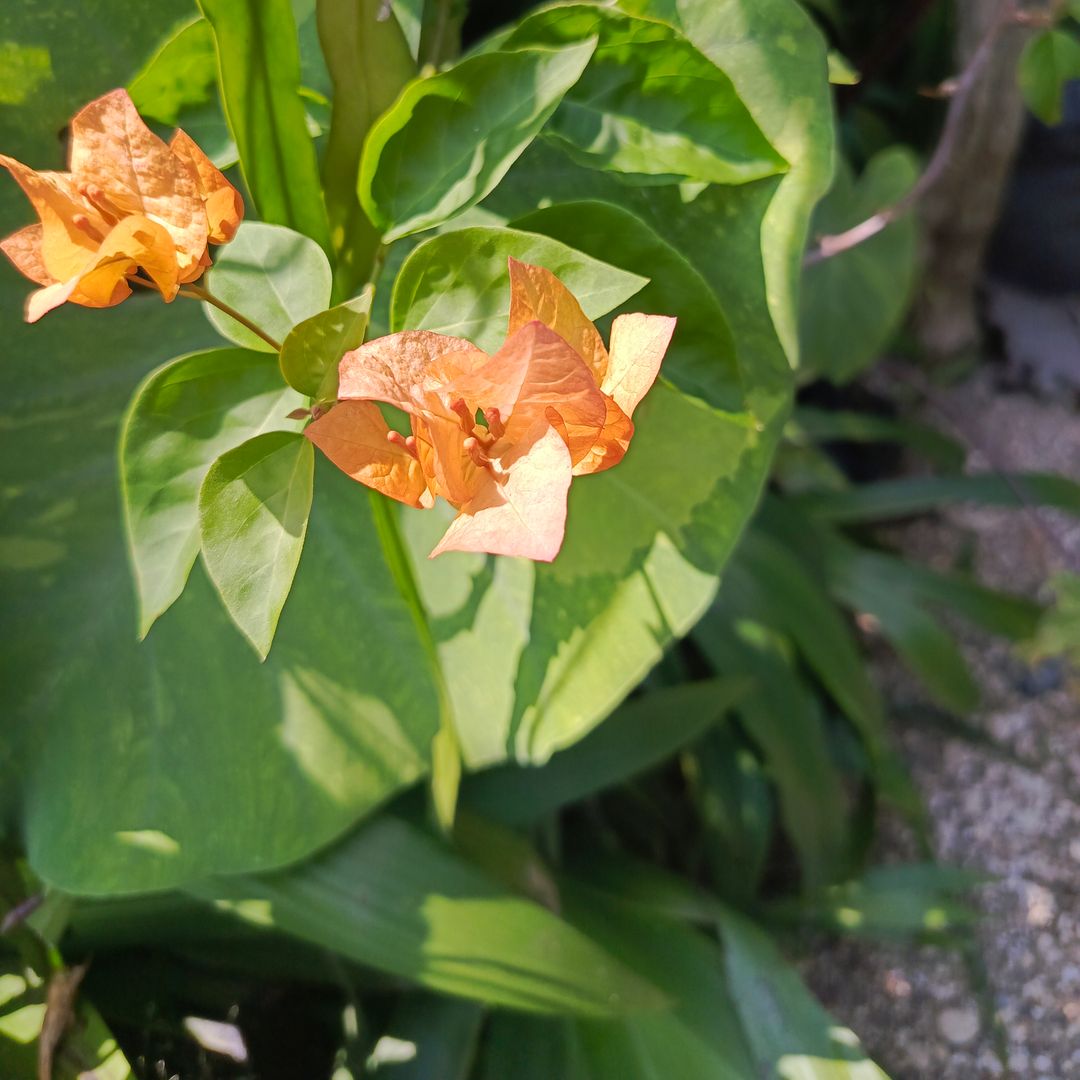
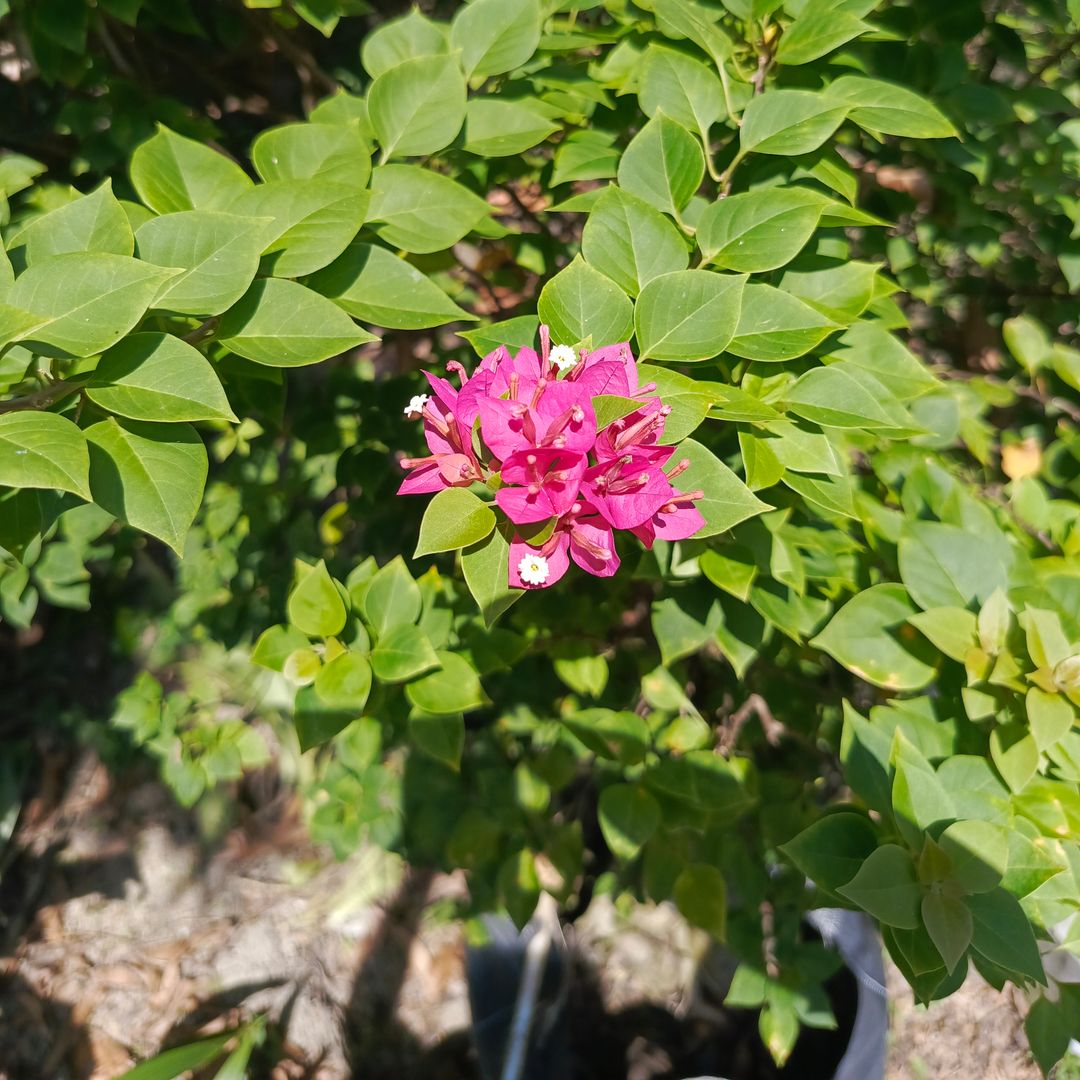
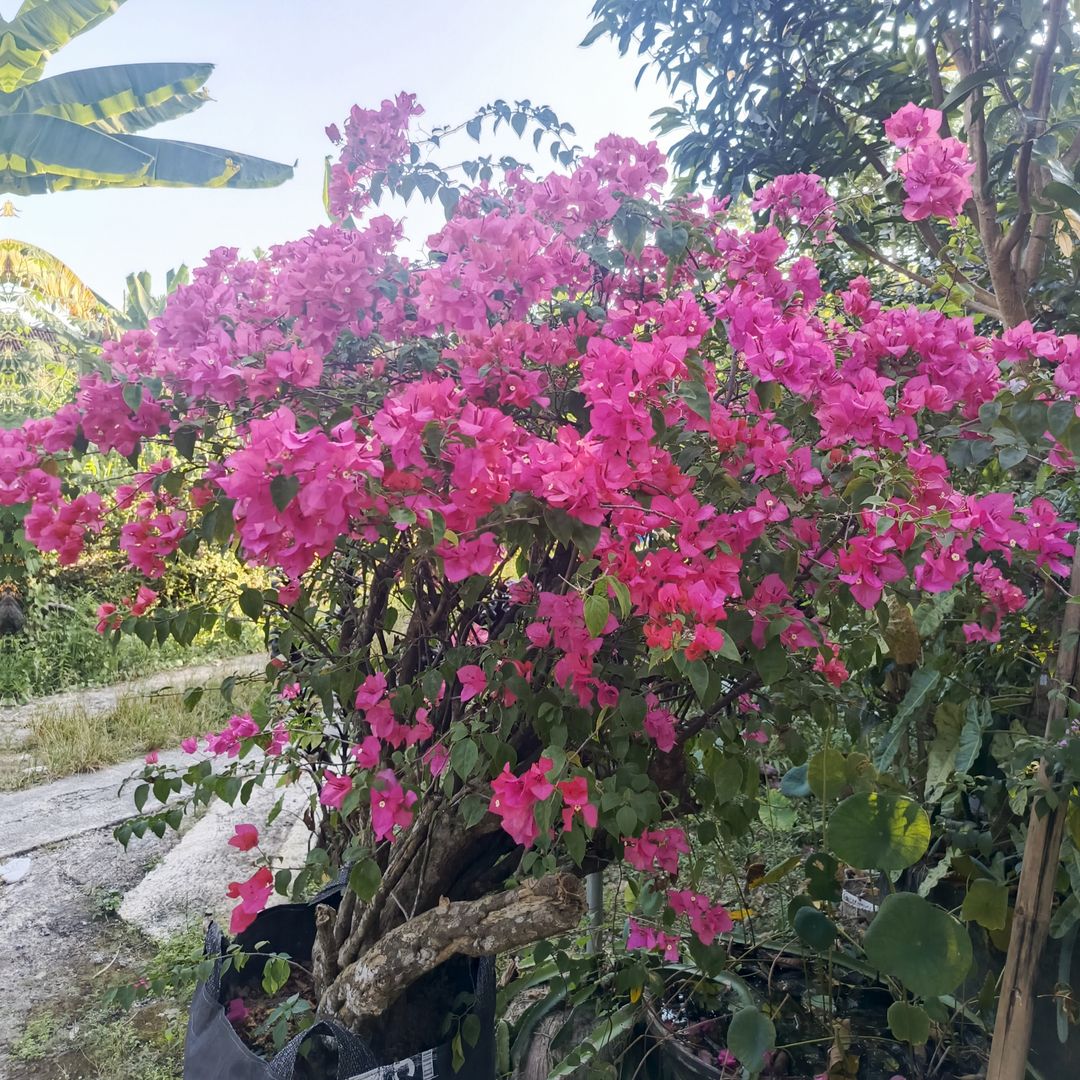
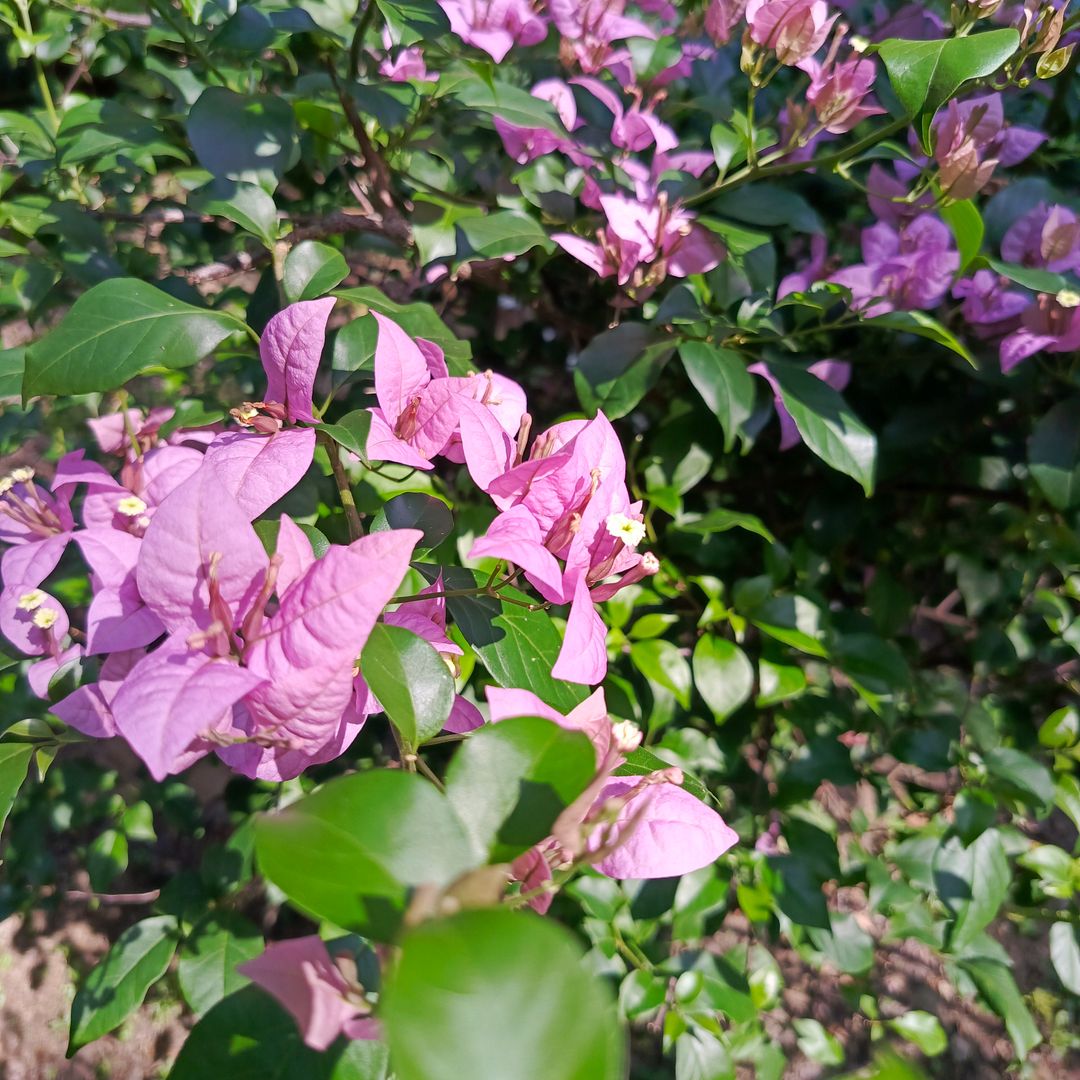
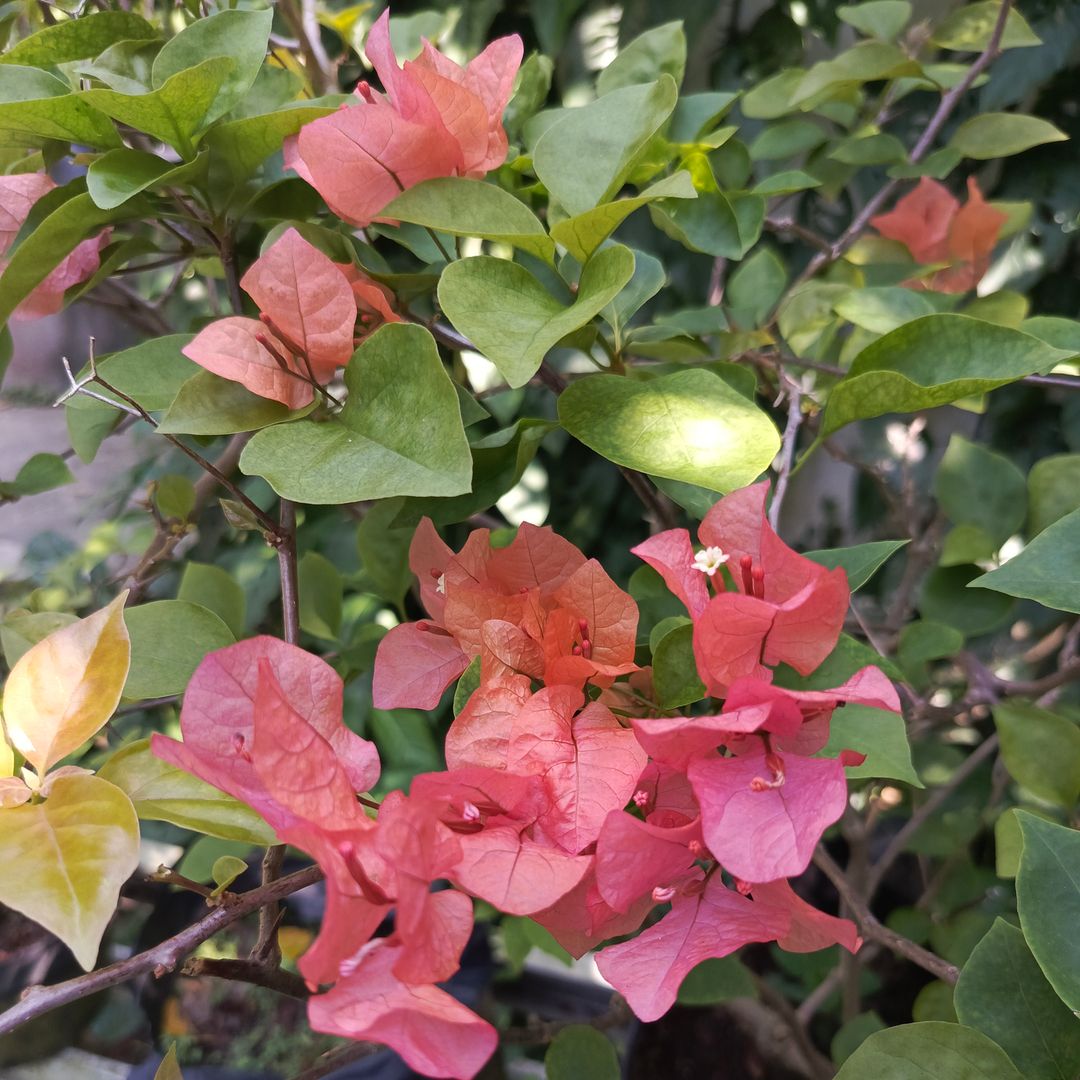
Take a drive down any village road here in Java, and you are guaranteed to see Bougainvillea spilling over fences in absolute explosions of magenta, red, purple, and orange. We call it Bunga Kertas, which translates to “paper flower,” because the colorful parts of the plant feel exactly like dry, delicate tissue paper. It is a tough-as-nails, woody scrambling shrub armed with some serious thorns hidden under all that color. The hotter and drier the weather gets, the more spectacular this plant becomes, making it a perfect match for our tropical climate.
Homestead Integration
At Batuah Homestead, Bougainvillea serves a dual purpose: security and aesthetics. Because of its dense, rambling growth and vicious thorns, it makes for an incredible “living fence” along our property lines. It keeps stray dogs and uninvited pests out better than barbed wire ever could, while looking beautiful doing it.
From a business standpoint, it is a fantastic earner for our nursery. Potted Bunga Kertas in full bloom practically sells itself to local landscapers and homeowners.
Plus, it requires almost no water during the dry season, meaning it frees up our irrigation resources for the vegetable plots and fruiting trees that actually need it.
Care & Cultivation
Growing Bougainvillea is all about “tough love.” The biggest mistake people make with this plant is pampering it. If you give it rich soil, lots of water, and high-nitrogen fertilizer, it will grow into a massive, lush green monster that refuses to bloom. It thrives on neglect and needs perfectly draining soil.
To get those massive flushes of color, it needs to be slightly stressed. Once it is established, I basically ignore it. If I do feed it, I use our homemade organic fertilizer, the one which is high in potassium and phosphorus, to encourage flowering rather than leaf growth.
Propagation
This plant is a breeze to propagate from hardwood cuttings, which is great for building up nursery stock. I take a thick, woody cutting from a mature branch—about the thickness of a pencil and maybe 15 to 20 centimeters long. I make sure to strip off the leaves and carefully trim back the thorns so I don’t bleed while working! I stick the cutting into a well-draining mix of soil and sekam bakar (roasted rice husks). I keep the soil just barely damp in a shaded spot. Within a couple of months, it will have rooted and started pushing out fresh green shoots.
💡 Did You Know?
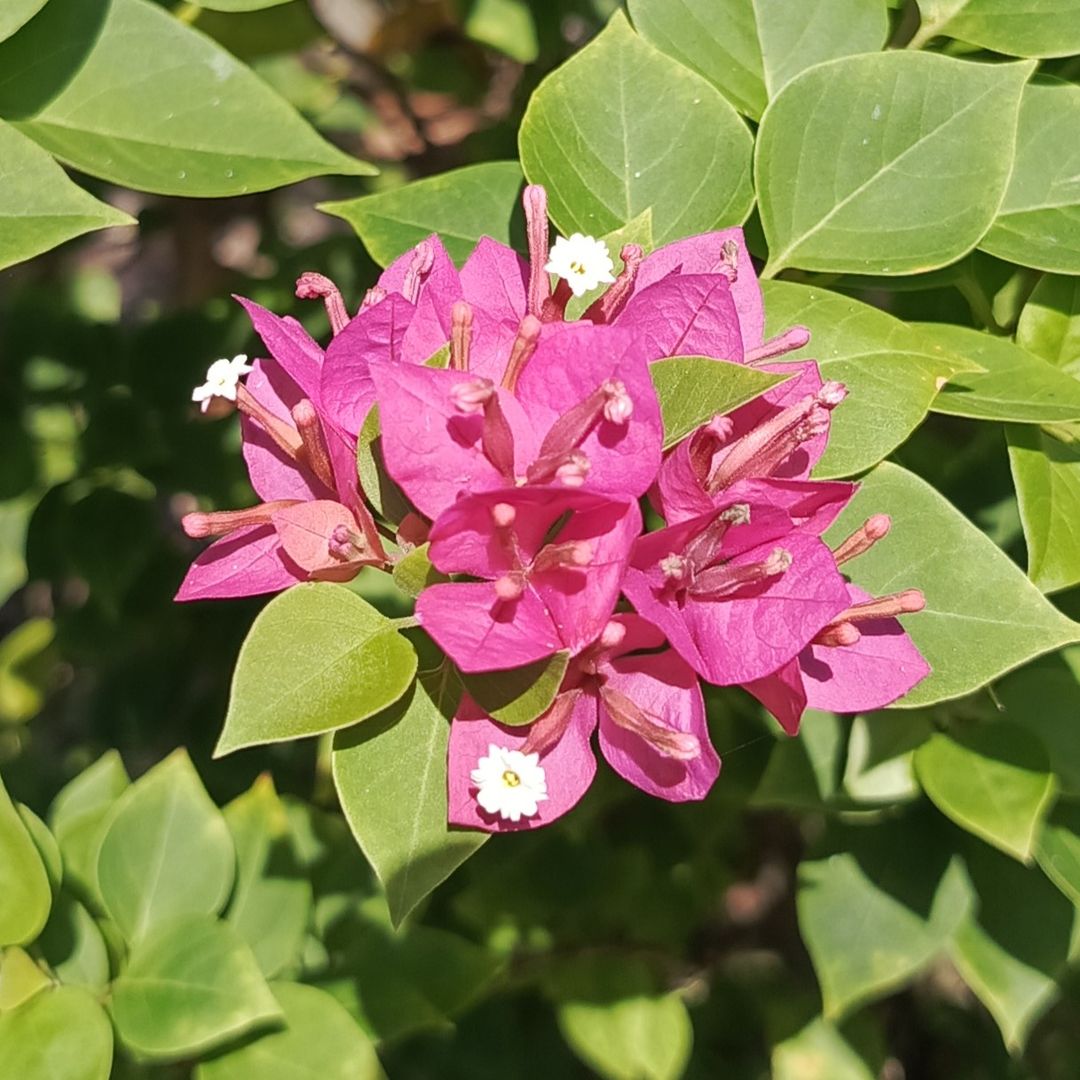
Those massive, brilliantly colored “flowers” that Bougainvillea is so famous for aren’t actually flowers at all. They are bracts, which are technically modified leaves. If you look closely at the center of a cluster of those colorful bracts, you will see three tiny, tubular white things—those are the actual, true flowers of the plant. The plant evolved those giant, neon-colored bracts just to flag down pollinators from a distance.
🛠️ Pro-Tip
If your Bougainvillea is looking too green and stubbornly refusing to bloom, you need to initiate a “drought cycle.” Stop watering it completely. Let the soil dry out to the point where the green leaves just begin to look a little limp and sad. The moment the plant feels that drought stress, it thinks its life is ending, which triggers an emergency survival response to reproduce. It will suddenly push out a massive, spectacular flush of blooms. Once you see the color starting to pop, you can resume light watering to sustain the display.
Video
Gallery