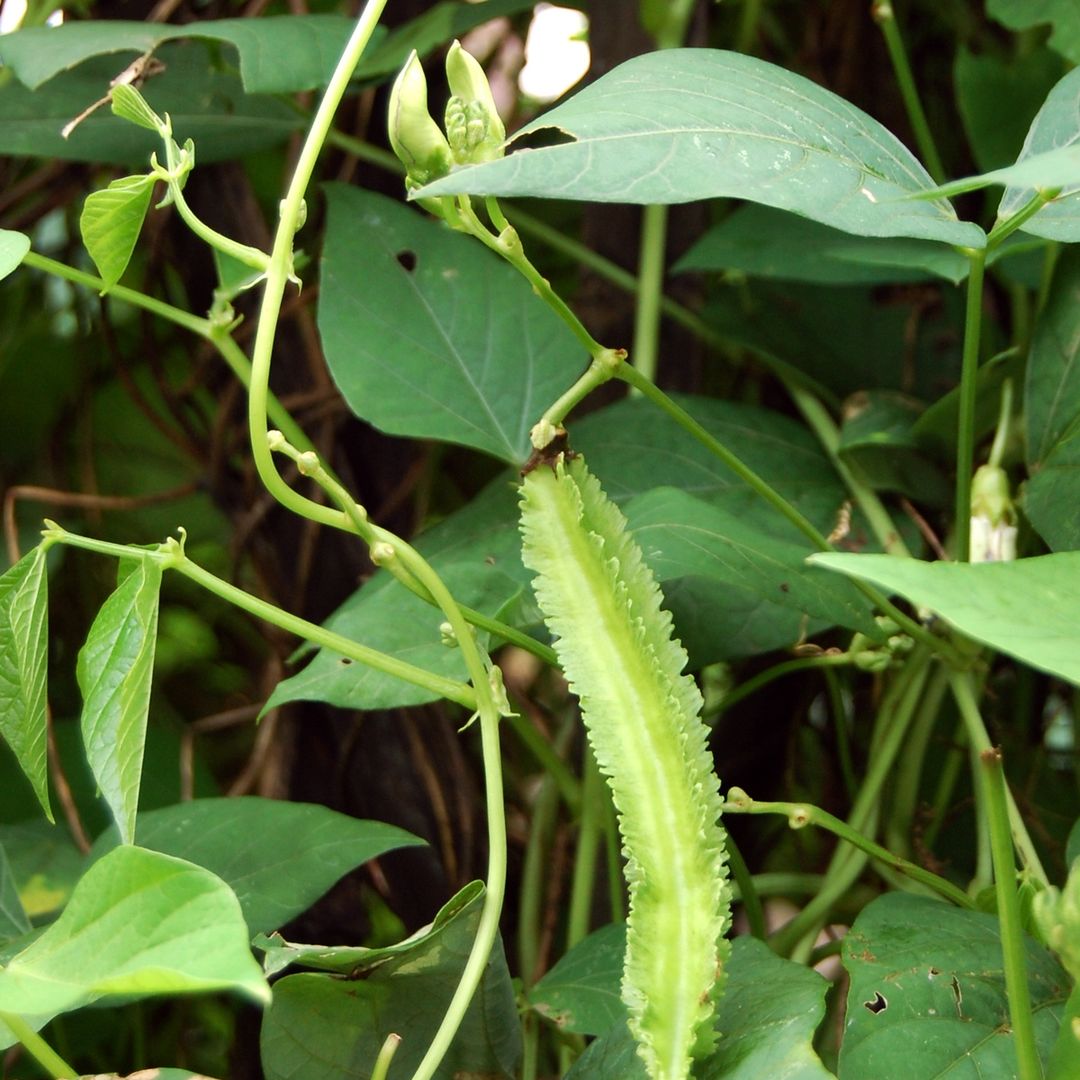
Psophocarpus tetragonolobus
Winged Bean, Kecipir, Four-Angled Bean
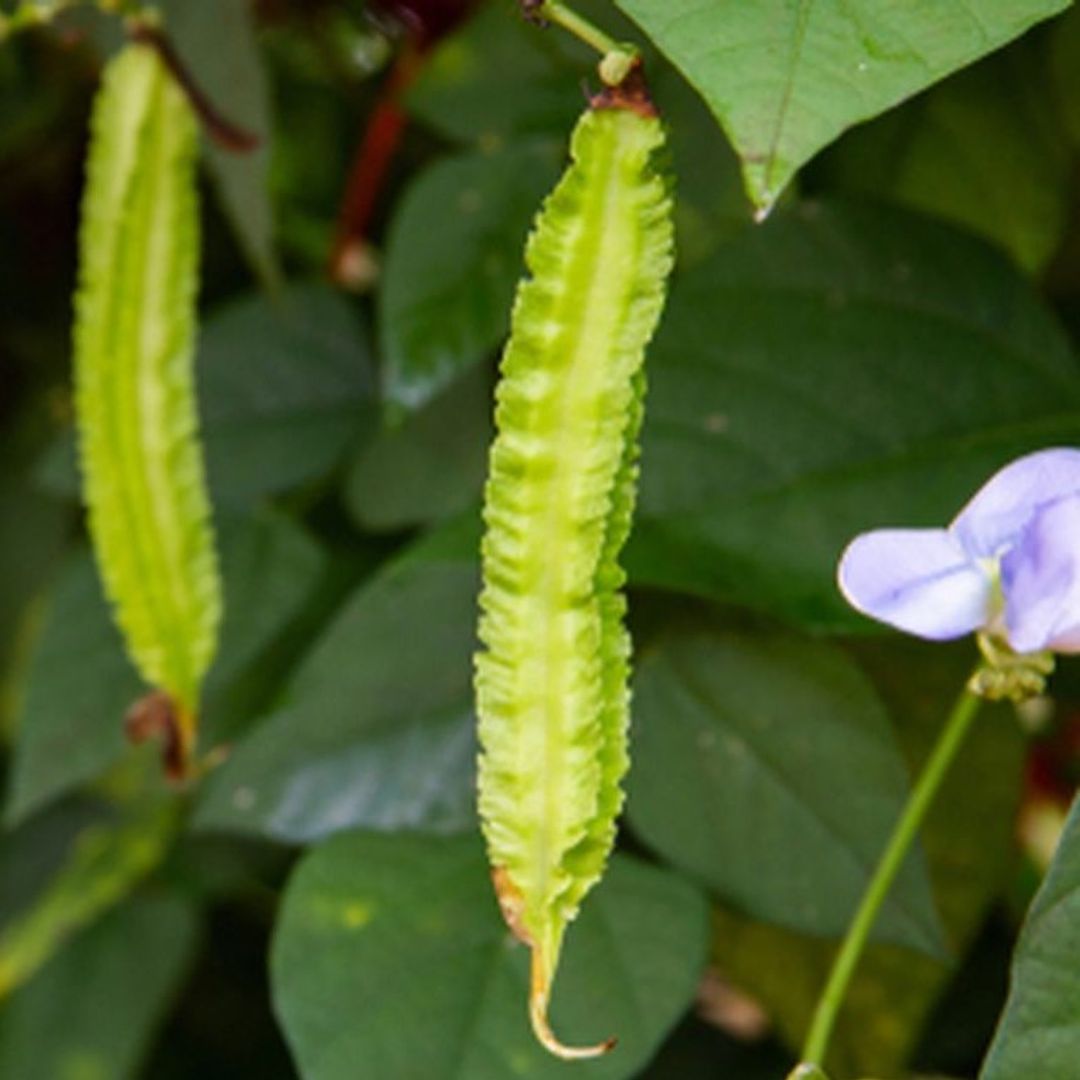
A tropical, climbing herbaceous legume famous for its distinctive four-angled, frilly pods and its incredible ability to fix nitrogen in the soil.
Quick Stats
Overview
If I had to pick just one climbing vine to grow for survival and sustainability, Psophocarpus tetragonolobus would be at the top of the list. We call it Kecipir around here. It is a vigorous, twining vine that thrives in our humid heat, producing these beautiful, pale blue or purple flowers followed by incredibly unique pods. The pods have four jagged, frilly “wings” running down their length. It is a workhorse of a plant that doesn’t ask for much but gives back in spades, thriving in the exact tropical conditions we deal with daily here in Mondokan.
Homestead Integration
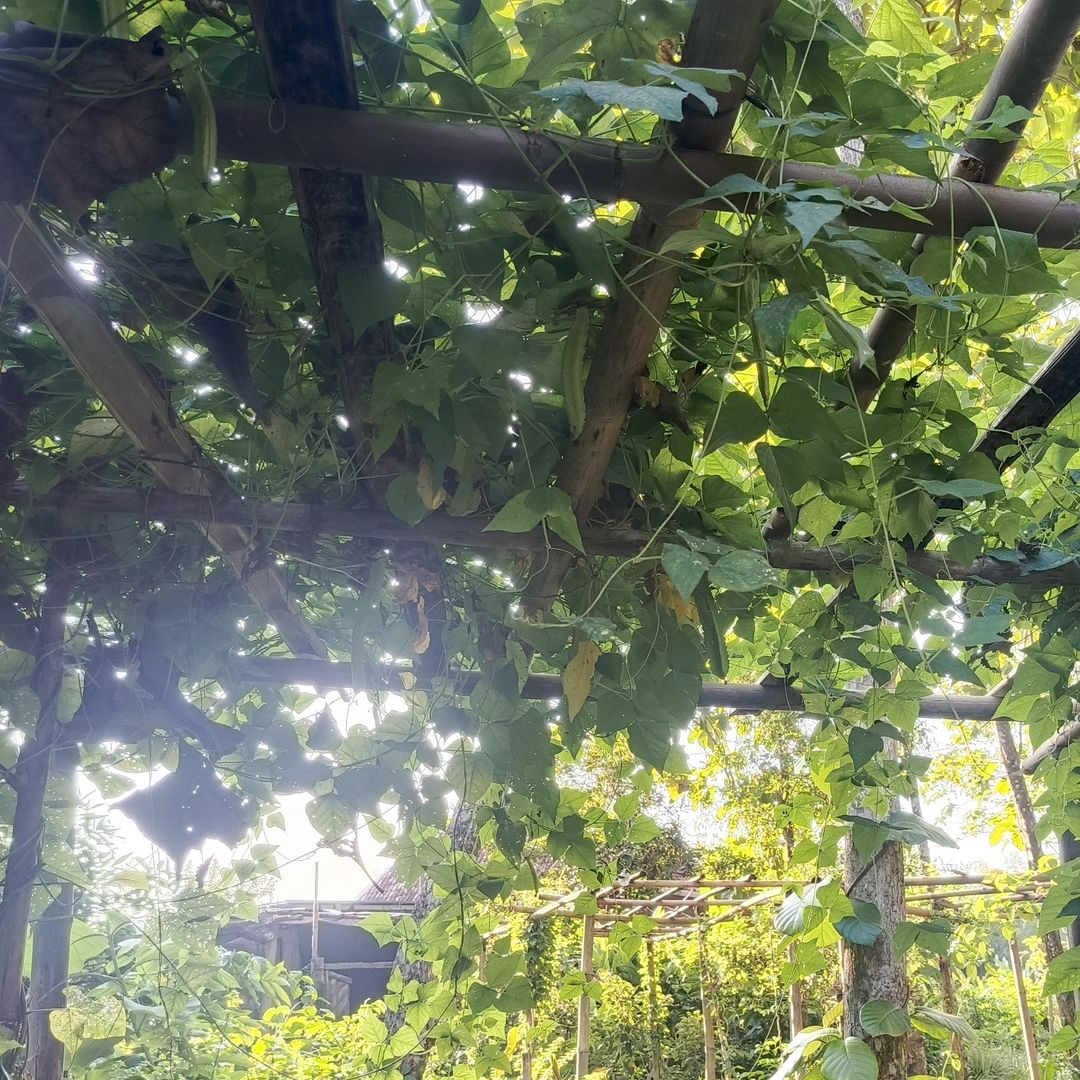
At Batuah Homestead, maximizing space and inputs is the name of the game, and Kecipir fits that philosophy perfectly. Because it is a climbing vine, I use it to exploit vertical space—running it up fences, bamboo trellises, or even dead trees that are waiting to be chopped down.
More importantly, it is a legume. It forms a symbiotic relationship with soil bacteria to pull nitrogen directly from the air and fix it into the ground.
This means it is not just growing on our land; it is actively improving our land. The pods are edible when young and tender—great steamed or stir-fried.
Care & Cultivation
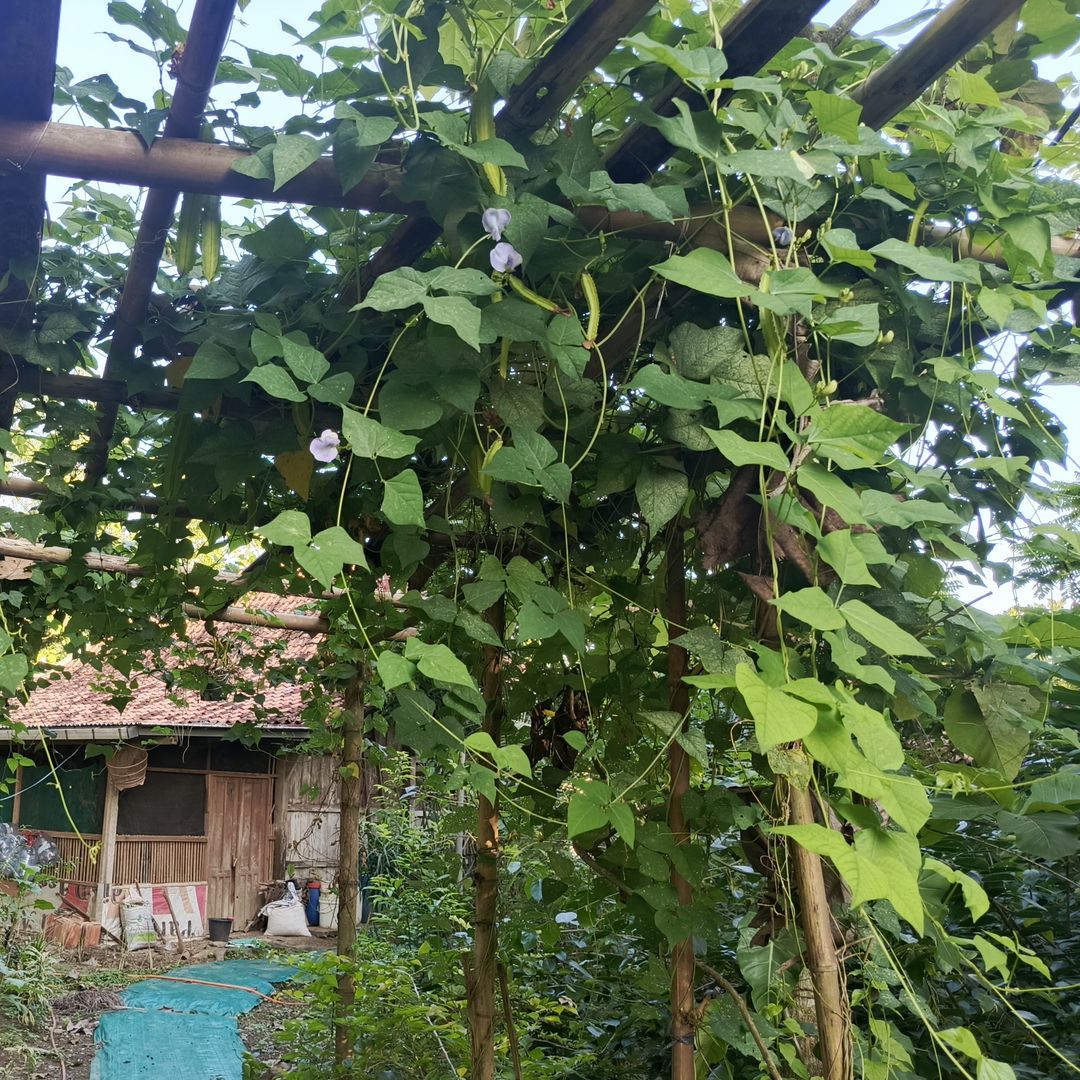
Kecipir is built for the tropics, so it handles our hot sun like a champion. The main thing you need to provide is a sturdy structure; once this vine gets going, the sheer weight of the foliage and pods will crush a flimsy trellis. It likes well-draining soil, and while it is fairly drought-tolerant, giving it consistent water during the dry season ensures the pods stay crisp instead of turning stringy.
Because we practice natural farming here, I rarely fertilize it. I might give the soil a drench of Indigenous Microorganisms (IMO) before planting to ensure healthy soil biology, but after that, I let the plant do its own nitrogen-fixing magic.
Propagation
This plant is grown entirely from seed, but there is a small trick to it. The seeds have a very hard, thick outer coat that can make germination painfully slow. To speed things up, I gently nick the side of the seed with a file or a piece of sandpaper—just enough to scratch the surface without damaging the inside—and then soak them in water overnight. By morning, they will have swelled up nicely. I sow them directly into the ground where I want them to grow, about an inch deep. They usually sprout within a week.
💡 Did You Know?
Winged bean is often called the “supermarket on a stalk” because literally every single part of the plant is edible and highly nutritious. You can eat the tender pods like green beans, cook the leaves like spinach, toss the sweet flowers into a salad, and roast the mature seeds like peanuts. Even the roots form fleshy, protein-rich tubers that you can boil or bake just like potatoes.
🛠️ Pro-Tip
Timing your harvest is everything with Kecipir. You want to pick the pods when they are young, bright green, and about 10 to 15 centimeters long. At this stage, they are incredibly crisp and tender, perfect for a quick stir-fry or traditional pecel. If you leave them on the vine even a few days too long, the pods become tough, fibrous, and completely unchewable—basically like eating cardboard. Always leave a couple of the biggest, healthiest pods on the vine to dry out completely so you can harvest the mature seeds for next planting season.
Video
Gallery