Morus Alba
Mulberry, Murbei
A fast-growing, highly adaptable woody perennial prized for its sweet berries and incredibly protein-dense foliage.
Quick Stats
Overview
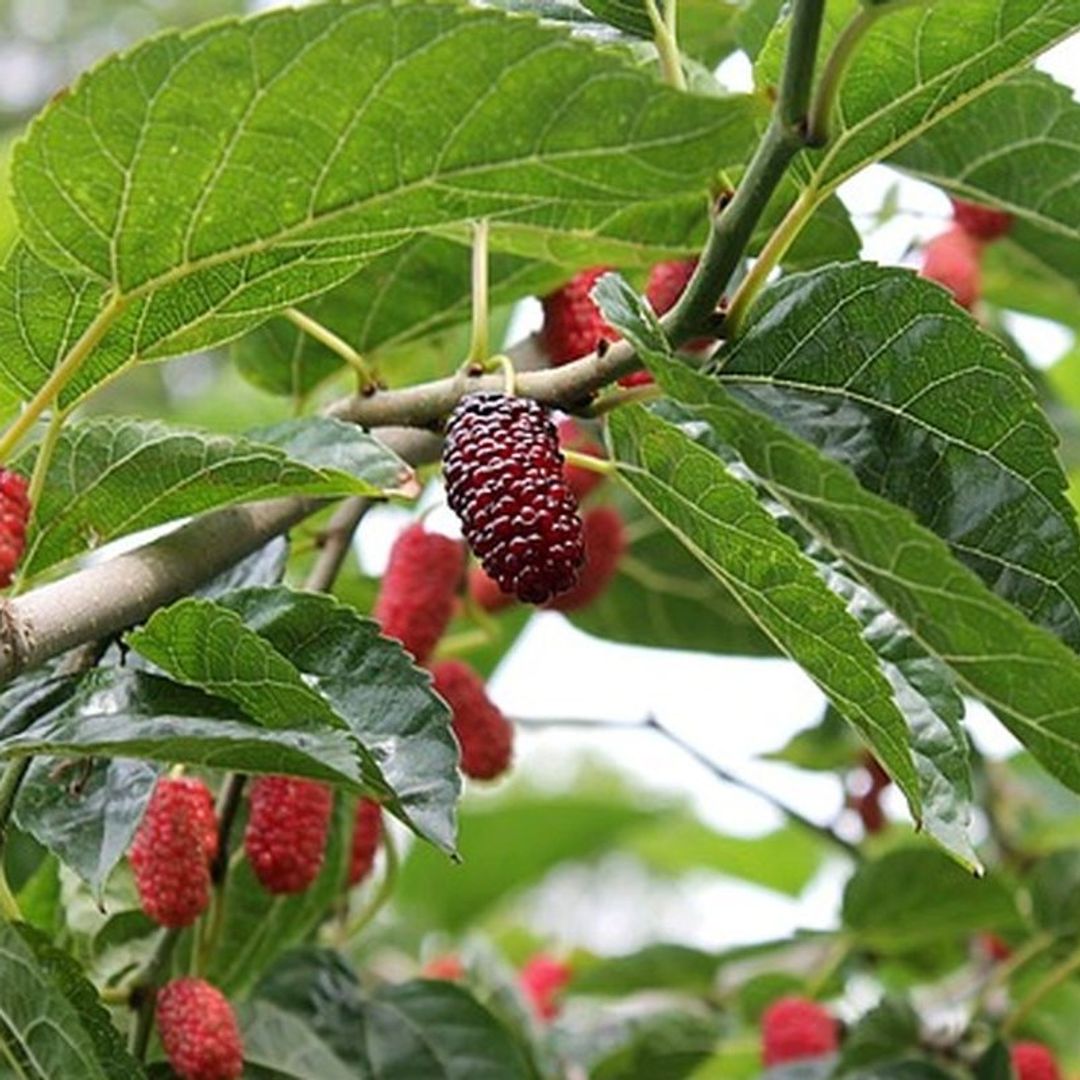
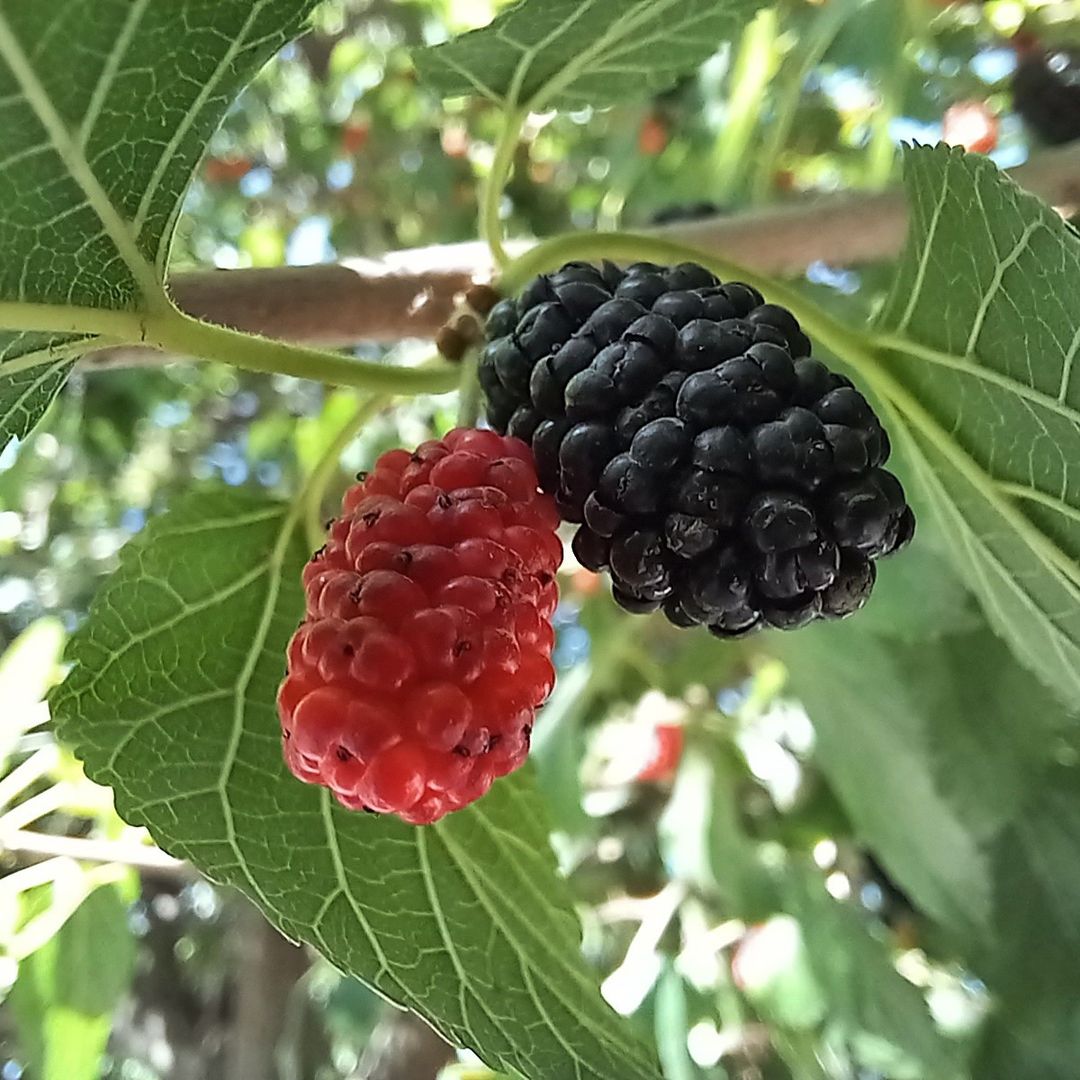
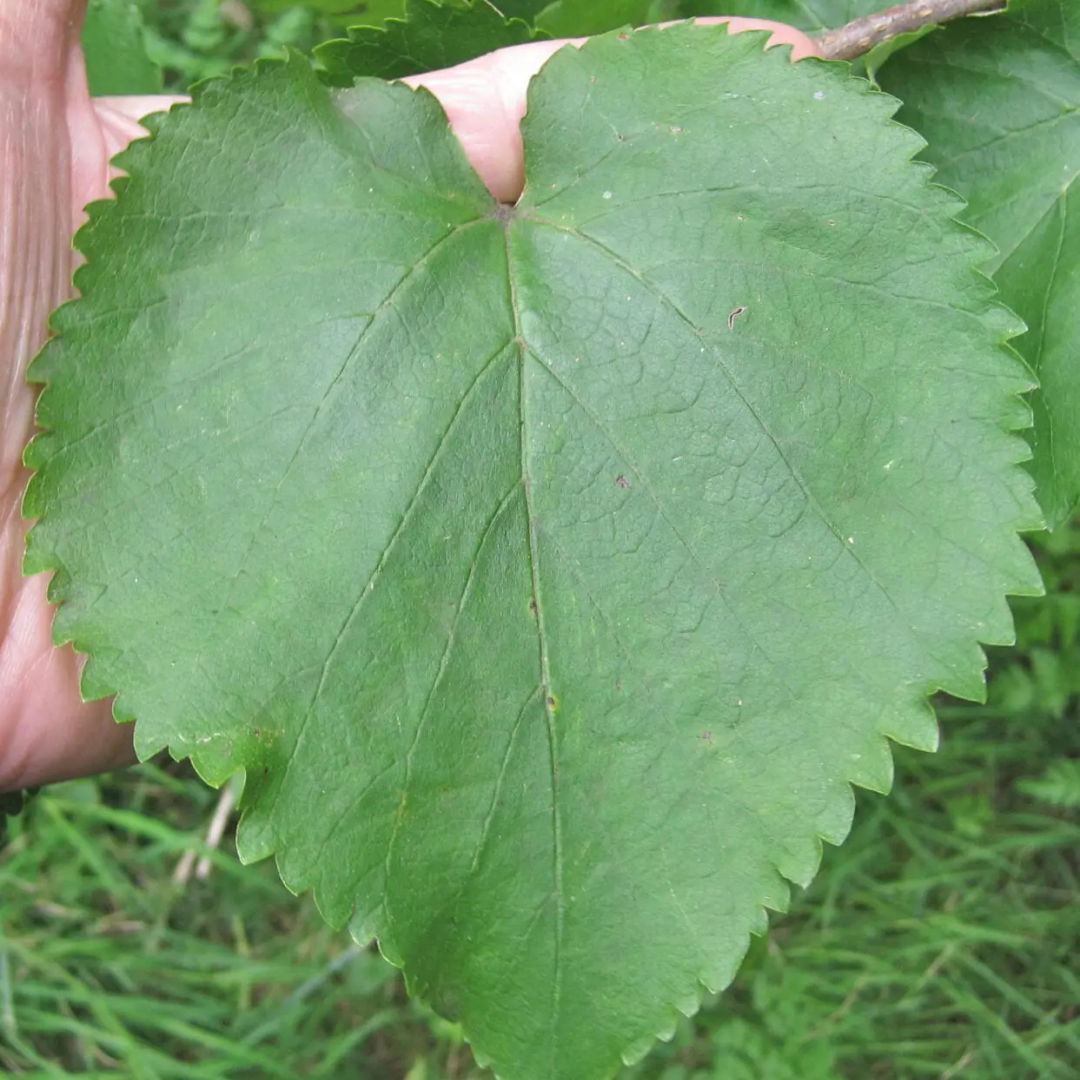
Originally when I hear “mulberry,” I immediately think of the sweet, blackberry-like fruits that stain my fingers purple in the summer. But for me now, looking at Morus alba just for its fruit is missing its true superpower. Originally native to China, this vigorous tree is a biomass-producing machine. It features broad, deeply lobed leaves that shoot out at an astonishing rate. While it can grow into a massive, sprawling shade tree if left alone, its real value lies in its foliage. It is one of the most efficient plants on earth at pulling nitrogen from the soil and converting it into highly digestible plant protein.
Homestead Integration
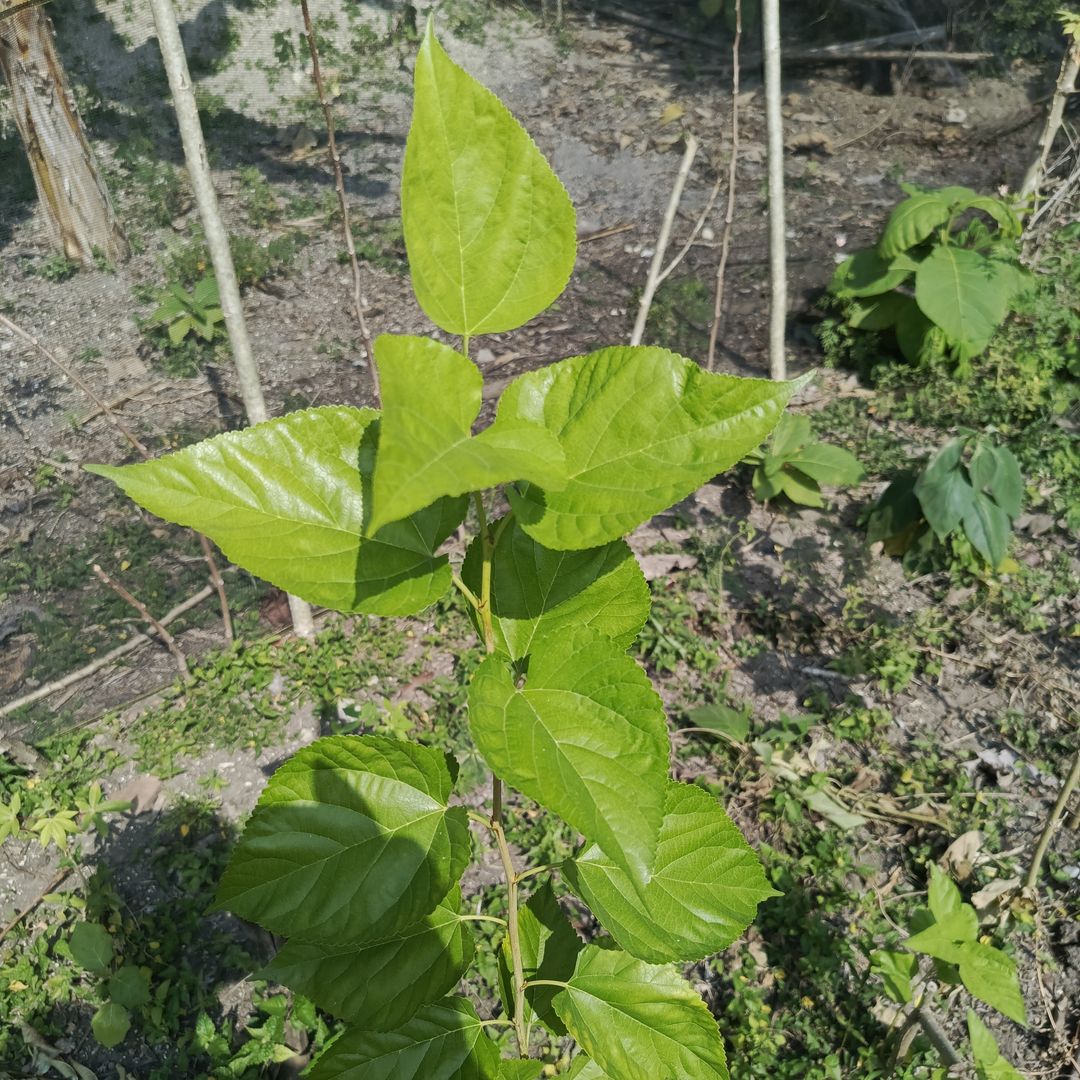
Because of my goal is to build a “zero-feed” system, Morus alba is indeed a foundational crop. The leaves boast a crude protein content that can rival or exceed commercial alfalfa (often sitting between 15% to 25%).
This makes it a top-tier green fodder for my poultry flock. My laying hens and meat birds will happily strip the leaves bare, significantly reducing my reliance on commercial grain. Because it is so nutrient-dense, it is also an exceptional substrate and feed source for my commercial insect farming.
Beyond feed, its deep roots help stabilize soil, and its rapid growth makes it an excellent pioneer species for establishing new agricultural plots.
Care & Cultivation
Mulberry is famously tough and will tolerate a wide range of poor soils, but if you want maximum leaf production, it pays to treat it well. It thrives in well-draining soil with plenty of sun. Because you will likely be harvesting massive amounts of green matter from this plant, it will eventually drain the soil nutrients.
Top-dressing the base of the plant with rich, nitrogen-heavy amendments—like aged chicken manure or aged insect frass—will keep leaf production explosive. It handles the tropical heat beautifully, provided it gets a moderate, deep soaking during prolonged dry spells.
Propagation
Do not bother with seeds unless you have endless patience. Morus alba propagates incredibly easily from hardwood or semi-hardwood cuttings. Take a cutting about the thickness of a pencil and 20 to 30 centimeters long from a healthy branch. Make sure it has at least three to four nodes. Strip the leaves, make a clean angled cut at the bottom, and bury it deep into a polybag of well-draining soil matrix—leaving only one or two nodes above the dirt. Keep it consistently moist, and it will aggressively push out new roots and shoots within a month.
💡 Did You Know?
Morus alba is the sole food source for the domesticated silkworm (Bombyx mori). The reason silkworms can spin hundreds of meters of incredibly strong silk thread from their bodies is entirely due to the unique, high-protein amino acid profile found specifically in the leaves of the Mulberry.
🛠️ Pro-Tip
I manage my mulberry as a “cut-and-carry” fodder bank rather than a shade tree. By coppicing it—cutting the main stems back to waist height a couple of times a year—I can force the plant to constantly produce fresh, tender, protein-rich young leaves rather than woody branches. Additionally, those vigorous new apical shoots are absolutely packed with natural growth hormones, making them one of the best possible ingredients to harvest for fermenting into a nutrient-rich organics fertilizer to feed the rest of my garden.
Video
Gallery