Moringa Oleifera
Kelor, Miracle Tree, Drumstick Tree
The miracle tree. A fast-growing, highly nutritious staple driving our zero-feed livestock systems.
Quick Stats
Overview
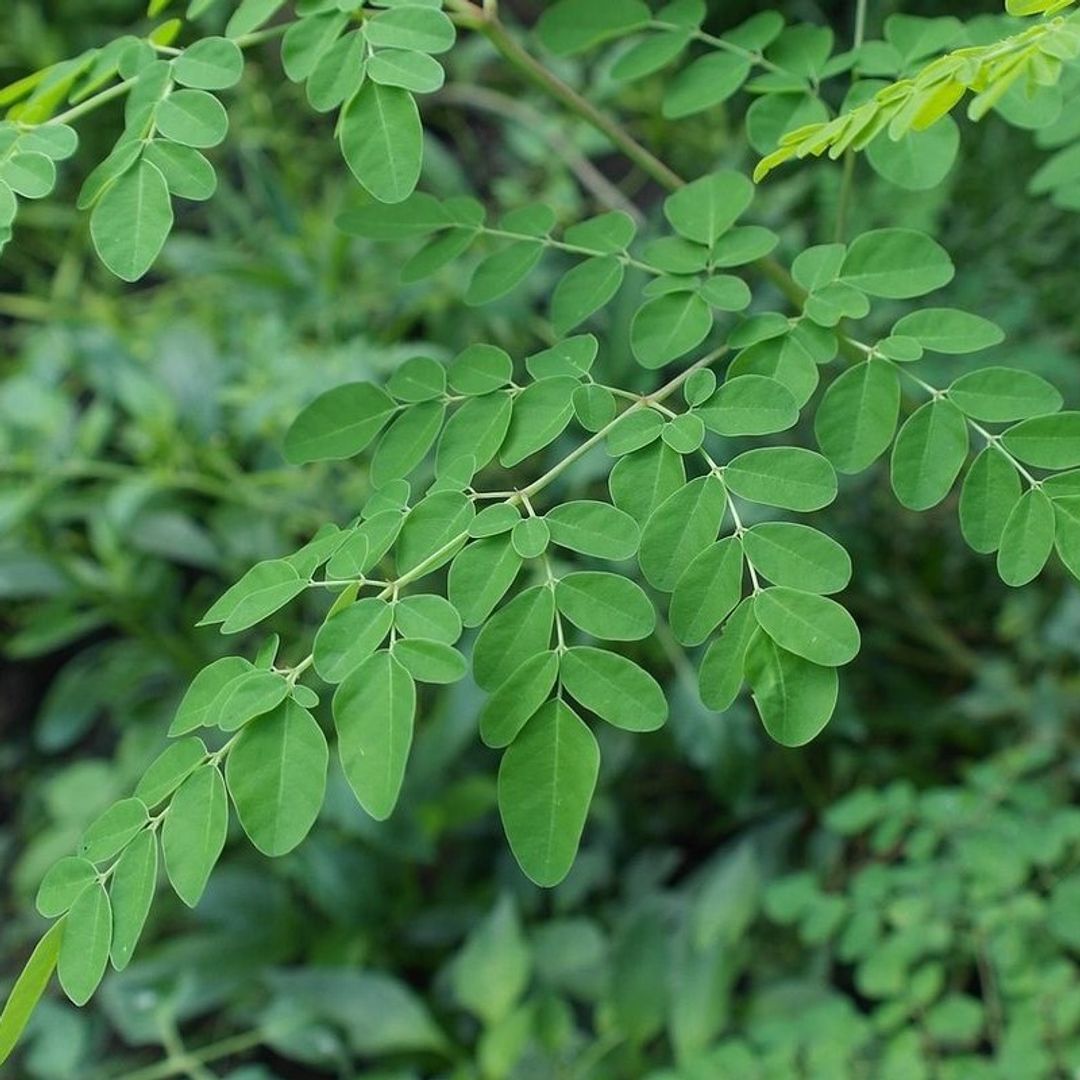
If there is one plant that truly earns the title of “superfood,” it is Moringa oleifera. Often called the Miracle Tree, this incredibly resilient plant thrives where many others would simply give up and wither. It is native to the foothills of the Himalayas but has made its way across the globe to tropical and subtropical regions. What makes Moringa so special isn’t just its survival skills; it is the sheer density of nutrition packed into its leaves. We are talking high levels of protein, iron, calcium, and vitamins A and C. It grows aggressively fast—sometimes over ten feet in a single year—and puts out delicate, fern-like foliage accompanied by beautiful white blossoms. Moringa is one of the cornerstone of the living ecosystem at Bunga Aromatik Ndunak.
Homestead Integration
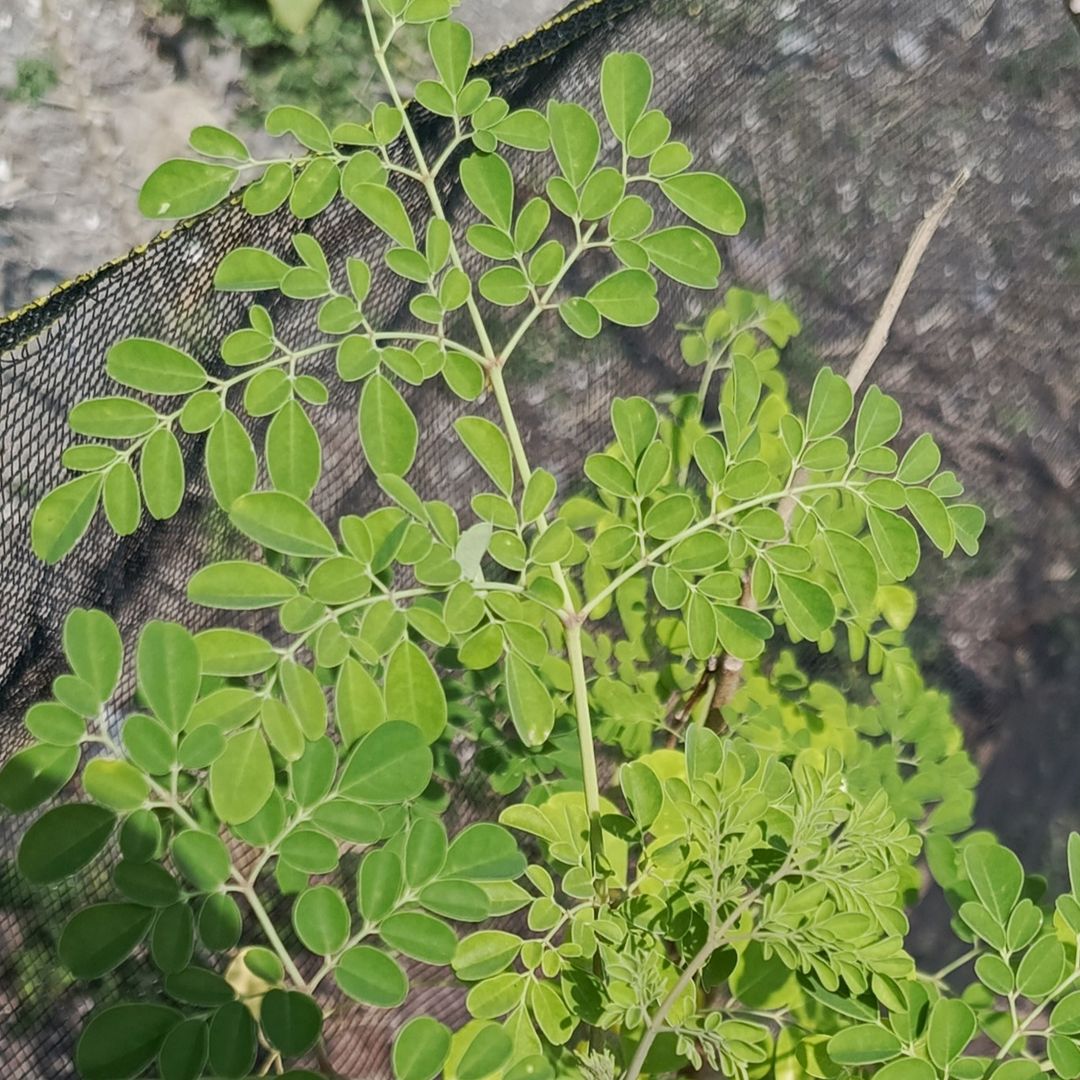
Moringa is a homesteader’s dream because it wears so many hats on the farm. First and foremost, it is a powerhouse food source for your family; you can toss the fresh leaves into salads, soups, or dry them into a potent green powder. But its utility doesn’t stop at the kitchen door. Moringa makes fantastic, nutrient-dense livestock fodder, particularly for chickens, pigs, and goats, helping to cut down on feed costs. Because it grows so rapidly, it is an excellent candidate for a “living fence” or windbreak. Plus, the branches are perfect for a “chop-and-drop” system, building rich, green manure for your soil without you ever having to haul in outside compost.
This tree is critical to maintaining our self-sufficient, closed-loop system. The leaves are a primary component in our zero-feed systems. We harvest, lightly dry, and process the foliage to provide a high-protein base for our poultry flocks and our commercial superworm colonies.
As a dynamic accumulator, Moringa pulls deep-soil nutrients to the surface. Pruned branches are chopped and dropped directly over the root zones of our more delicate saplings, acting as a nutrient-rich, moisture-retaining mulch.
Care & Cultivation
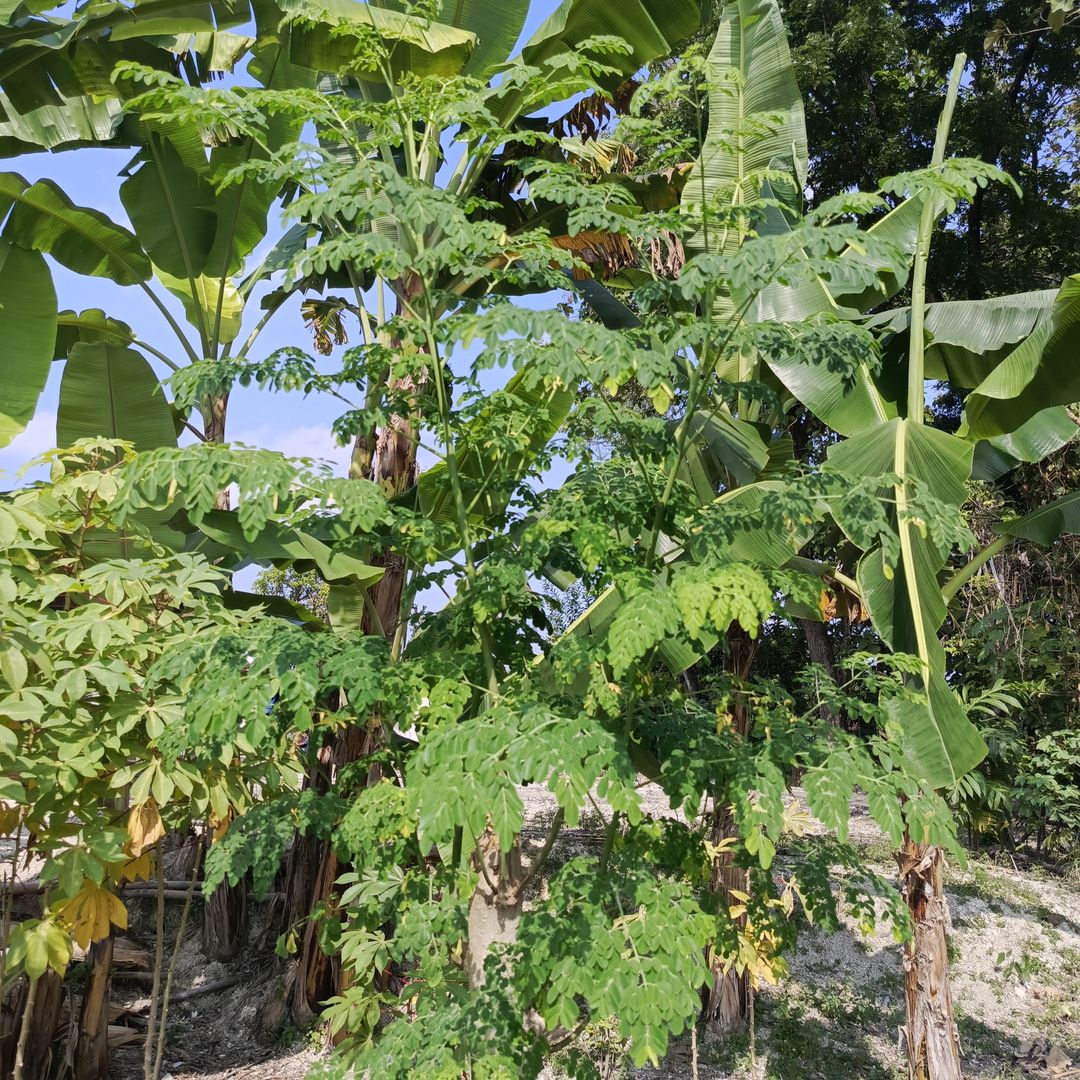
Taking care of a Moringa tree is mostly an exercise in leaving it alone. Its biggest enemy isn’t a pest or a disease—it is too much love, specifically in the form of water. Moringa roots absolutely despise sitting in soggy soil, so ensuring well-draining earth is your top priority. It is highly drought-tolerant once established. You won’t need to baby it with fertilizers, either; it thrives in poor, sandy soils. Your main task in cultivating Moringa will actually be pruning. Left to its own devices, it will shoot straight up into the sky like a beanstalk, putting all those nutritious leaves completely out of your reach.
Here we manage to push more explosive growth by treating the root zones with indigenous microorganisms (IMO) to accelerate the breakdown of surrounding organic matter. We practice aggressive, regular coppicing to keep the trees bushy and below 2 meters, ensuring the leaves remain easily accessible.
Propagation
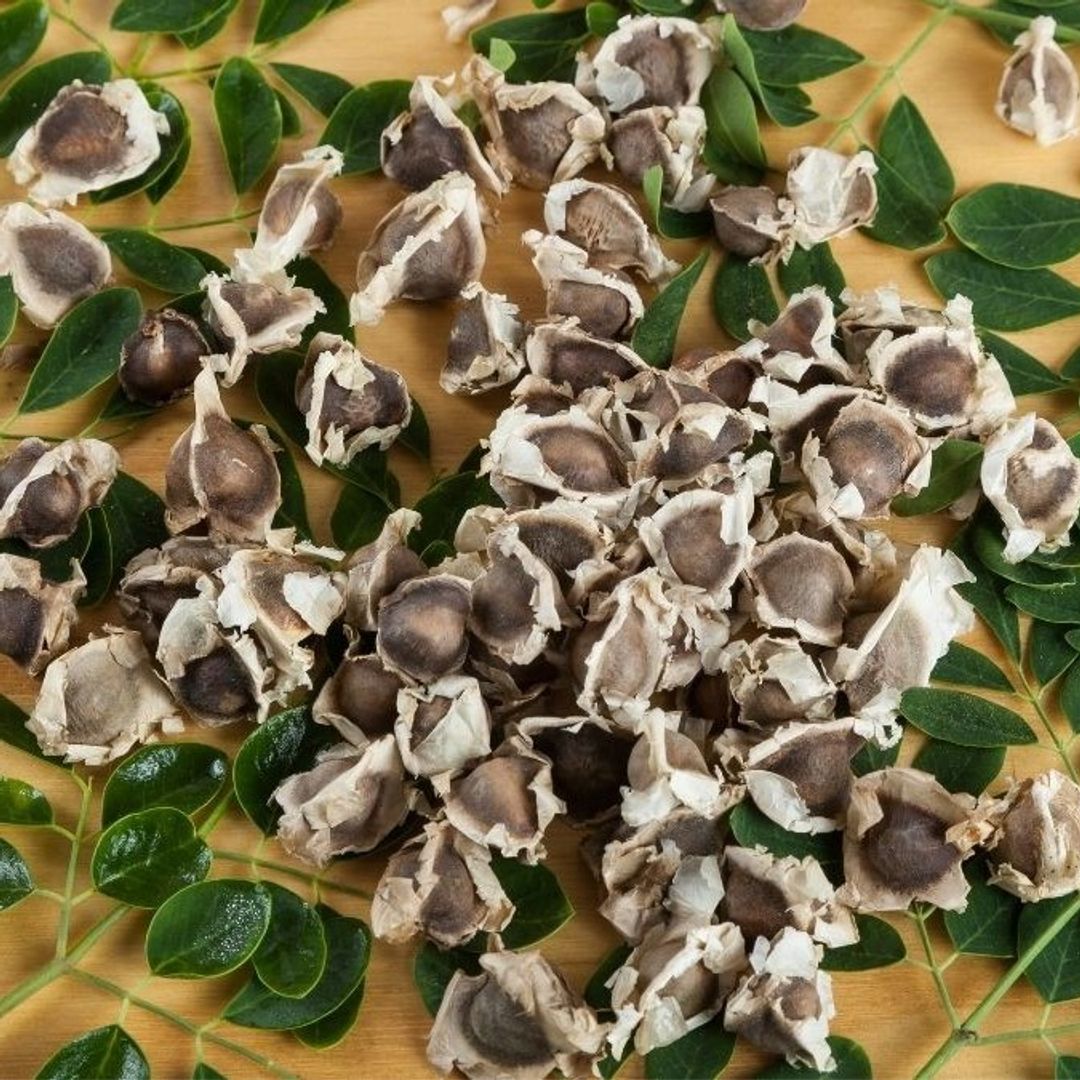
We have two incredibly simple options here: seeds or cuttings. Moringa seeds germinate very easily; just soak them in water overnight and pop them into some warm, well-draining soil. They usually sprout within a week or two. However, as we have access to existing mature trees, taking a cutting is like a homesteading magic trick, like just cut a thick branch off an established tree—about the length and thickness of commercial broomstick—let it dry in the shade for a couple of days to heal over, and then stick it straight into the ground. It will root itself and start putting out fresh leaf shoots in no time.
💡 Did You Know?
The seeds inside the long, ribbed “drumstick” pods aren’t just for eating or planting—they can actually purify water. When the mature seeds are crushed into a powder and mixed with turbid, dirty water, they act as a natural coagulant. They bind to the impurities and bacteria, causing them to clump together and sink to the bottom, leaving clear, significantly cleaner water at the top. It is a brilliant, natural solution often used in developing regions. Moringa leaves also contain roughly 25-30% protein by dry weight. This makes it an incredibly powerful, free substitute for commercial soy meal when raising high-performance meat birds like our Bresse and Sengkuni, or active egg layers like our Leghorn x Elba hens.
🛠️ Pro-Tip
Embrace the art of “coppicing.” Because Moringa grows so fast and tall, the best way to manage it for leaf harvesting is to cut the main trunk down to about waist or chest height once it reaches a few meters tall. It sounds brutal, but I promise the tree loves it. This forces the plant to bush out laterally, producing a ton of fresh, easy-to-reach leafy branches right at your level, while giving us a pile of wood and leaves to use as mulch for our other garden beds. After a heavy coppicing (pruning the tree all the way down), apply a fresh batch of IMO 4 directly to the base of the trunk. The immediate rush of bio-available nutrients helps the tree recover and push out new shoots in a matter of days.
Video
Gallery